
Florida Red Tide: The Shocking Truth Locals Know (That Tourists Don’t)
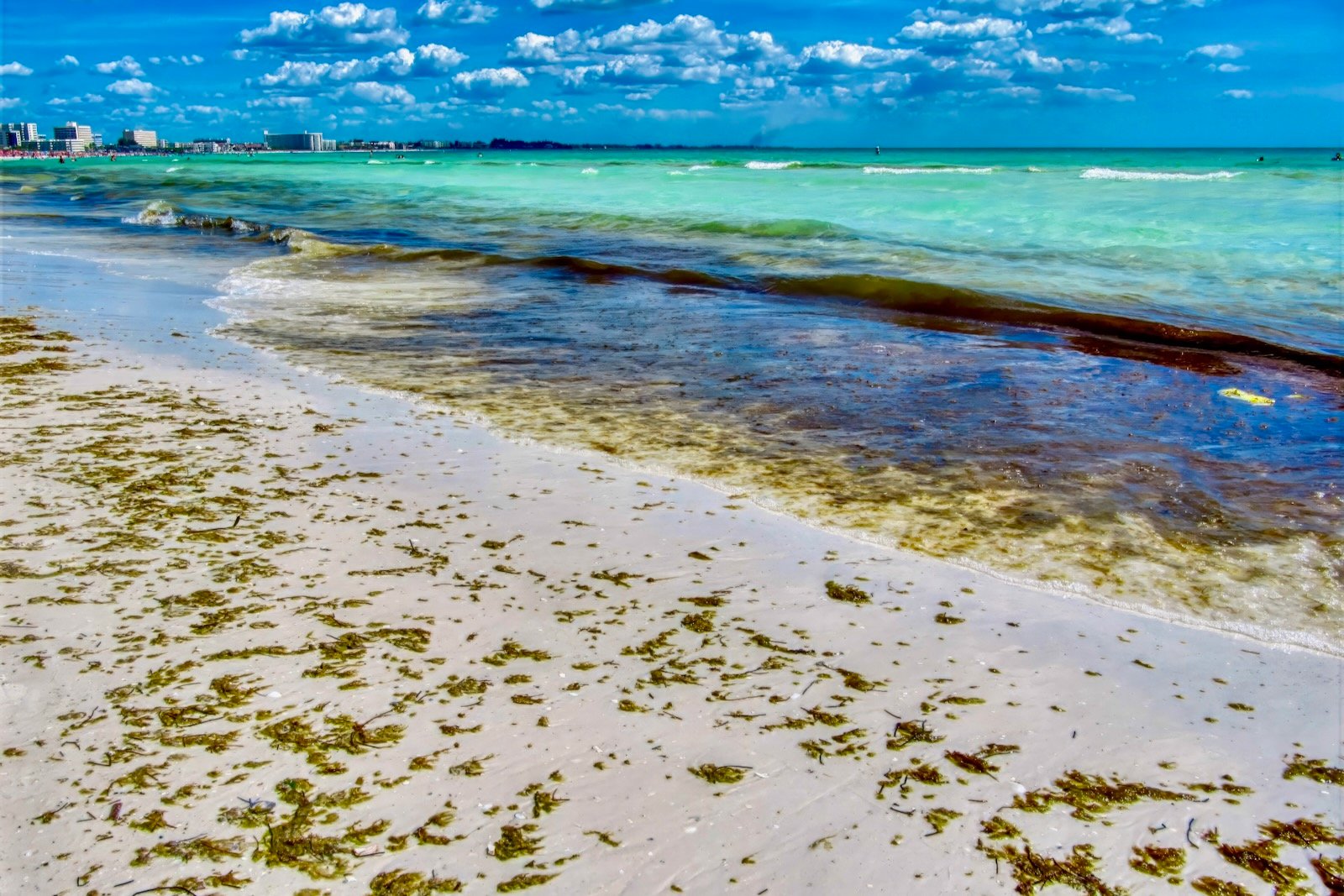
Table of Contents
Florida Red Tide is a naturally occurring algae bloom that’s often misunderstood—here’s what you really need to know. There’s a reason the words “Red Tide” send a chill through the hearts of Sarasota locals. If you’ve lived here long enough, like I have—nearly 40 years—you’ve seen it all. Fleeting episodes that barely register, and brutal, month-long invasions that shut down beaches, crush tourism, and leave vacation rental owners scrambling.
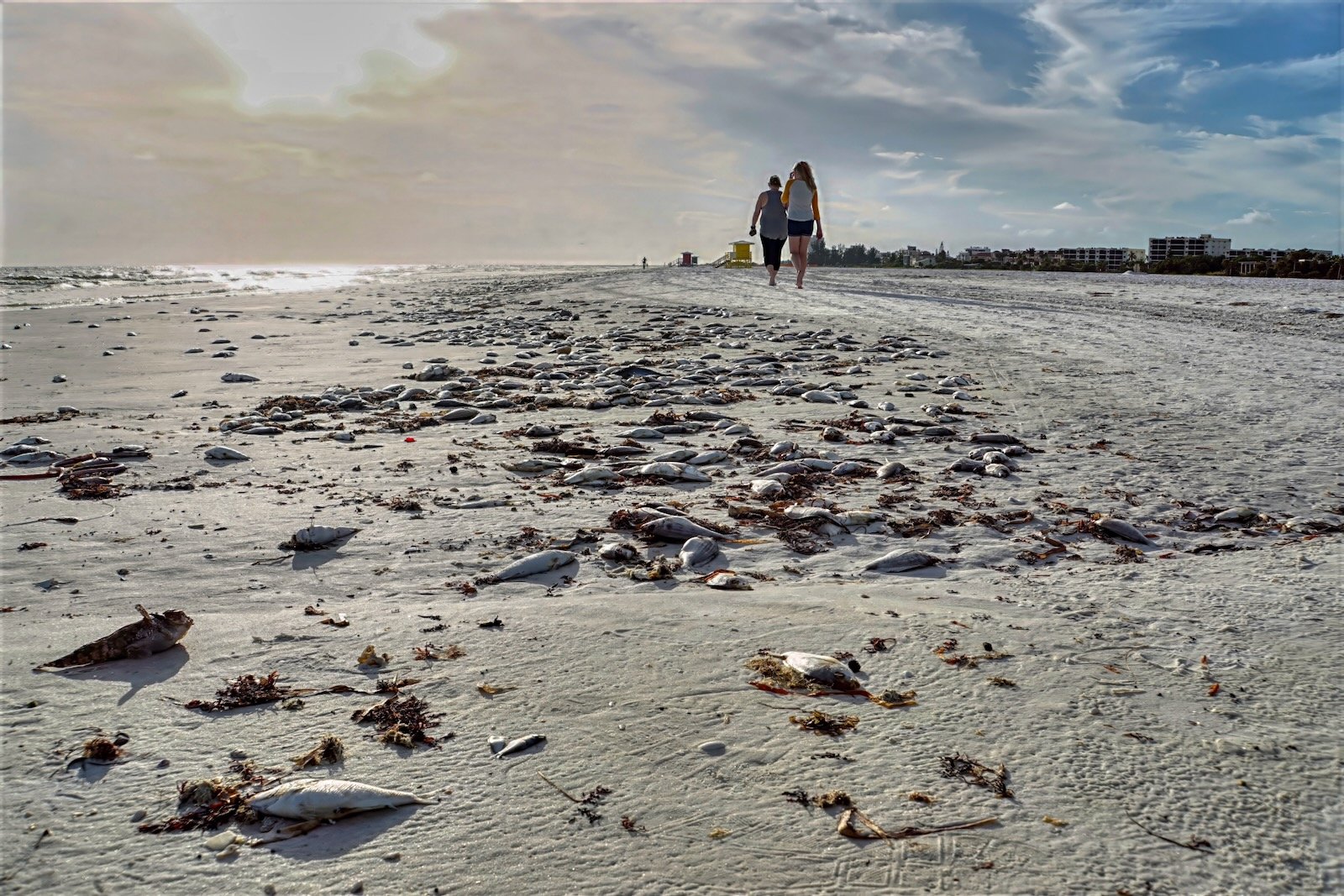
I still remember standing at the edge of the dune crossover during the 1994–96 bloom, staring out at a shoreline blanketed in rotting fish, the air so thick with decay it drifted miles inland. Inmates in striped prison uniforms shoveled marine death into front-end loaders while I stood helpless, horrified.
This isn’t a post written in theory or copied from a government site. This is a story-driven guide, built on lived experience. I’ve faced countless bouts of Red Tide here in Sarasota, and through it all, I’ve learned how to separate the science from the social media noise.
Let’s walk through what Red Tide really is—and what it isn’t.
What Is Red Tide?

Red Tide is a naturally occurring harmful algal bloom (HAB) caused by Karenia brevis, a type of microscopic dinoflagellate that lives in the Gulf of Mexico. Under normal conditions, this algae exists in low concentrations, but when the waters warm and nutrients surge—especially from natural events like upwelling or runoff—these organisms multiply rapidly. The result: a bloom that can discolor the water, kill marine life, and impact air quality with airborne toxins.
The toxins produced by K. brevis are called brevetoxins. They affect the central nervous systems of fish and marine mammals, and when they become aerosolized by wind and surf, they can irritate the eyes, nose, and throat of people near the shore.
Despite the panic you may see online, Red Tide isn’t some modern, manmade disaster. It’s been around for centuries. The first documented Florida Red Tide dates back to 1844, long before industrial development or urban sprawl.
That year taught me a powerful truth: Red Tide doesn’t just choke the coastline—it chokes civil discourse.
Historical Timeline of Major Red Tide Events in Florida

- 1844 – The first scientifically documented Red Tide off the Florida coast occurred, as local fishermen described discolored water and dying fish near the Panhandle.
- 1878 – Gulf waters off Tampa Bay turned dark during a bloom described by early naturalists, with widespread marine mortality.
- 1901 & 1916 – Newspaper accounts from Charlotte Harbor and Sarasota reported discolored water, dead fish, and respiratory irritation. Headlines warned locals to avoid beaches due to the stench of decay.
- 1947 – Following record Panhandle rains, a massive Red Tide bloom settled along the Gulf Coast, lasting nearly a year. Beaches from Tampa Bay to Venice were affected. According to Time Magazine, "The spray of the poisoned surf inflamed human throats and lungs. Tourists deserted the hotels; schools were closed; beach areas evacuated."
- 1953–1955 – The longest bloom to date at the time—lasting 18 months—struck Florida’s Gulf Coast, devastating marine life and the local sponge industry.em
- 1971 – Another widespread bloom blanketed beaches from Sarasota to Naples. Residents reported burning eyes, dead fish, and a visible rust-colored tide just offshore.
I remember this Red Tide as if it were yesterday. It was my first experience witnessing a horrible, death-like Red Tide. You could smell the odor from five miles away, the smell drifting miles inland and the kind of pungent decay that burned your eyes before you even reached the beach. One day, I stood at a dune crossover, horrified by what I saw. Dead fish and sea life stretched for as far as the eye could see, stacked nearly knee-high along the tide line. More floated and bobbed in the surf—thousands of them—pushed ashore by a tide that looked nothing like the turquoise Gulf we know. It had turned an ominous, thick brown, like someone had spilled oil into the sea and churned it with streaks of seaweed and tangled sargassum. The stench was unforgettable—a rotting, acrid odor that stuck in your clothes and hair, even after you’d left.
- 2002–2003 – Another significant bloom shut down shellfishing and even poisoned dogs on Little Gasparilla Island.
- 2005–2006 – A bloom created a “dead zone” on the Gulf floor the size of Rhode Island. The Sierra Club opened a Sarasota office to push Red Tide awareness.
- 2018 – Following the 2017 Hurricane Irma, Red Tide reached crisis levels one short year later. Sarasota beaches were choked with fish kills, manatees suffered, and tourism plummeted.

But the worst wasn’t just what was happening in the water—it was what happened online. That year, my Sarasota Lifestyle Facebook page was flooded with people claiming that the Gulf was dead, that Mote Marine scientists were “on the take”, and that any mention of the water being safe was part of a government conspiracy.
One commenter angrily insisted, “Red Tide PLUS the toxic blue-green algae from Okeechobee… where have you been or are you spinning the truth to your own advantage?”
Another fired back: “Stop skewing the truth and saying it’s safe when it clearly is not! #tourismriskinghealth”
When I asked for sources, I was told, “What are you living in a shell? You’ve read the findings! Your posts are lies and put unsuspecting tourists at risk of their health and you know.”

Some went so far as to claim, “Everyone knows Mote is funded by Mosaic. They can’t be trusted.” Despite providing direct transparency reports from Mote Marine about their funding and independence, the misinformation kept rolling.
That year taught me a powerful truth: Red Tide doesn’t just choke the coastline—it chokes civil discourse.
FAQs About Red Tide in Sarasota

📍 Has Red Tide Always Affected Sarasota?
Yes—Sarasota has been experiencing Red Tide for well over 100 years. Historical records go back to at least 1844, with detailed observations from 1878, and press reports from 1901 and 1916. The severity varies year to year, but it’s a part of life along the Gulf Coast. Environmental factors like salinity, temperature, and wind direction play major roles.
🔍 Where Can You Check Beach Conditions?
- Mote Marine Laboratory Beach Reports
- Florida Department of Health Water Quality Reports
- FWC Red Tide Map
- Mote Red Tide FAQs
- Google Earth Pro Red Tide Tracker
Who Is Most Affected by Red Tide?
People with asthma, COPD, or other respiratory conditions are most sensitive. Even healthy people may experience coughing, sneezing, or itchy eyes during a bloom, especially when the wind blows onshore. If you’re particularly sensitive, stay indoors or visit east-facing beaches during peak blooms.
Is It Safe to Swim During Red Tide?
Technically yes—but cautiously. The water itself isn’t dangerous for most healthy people unless ingested or if you have open wounds. I’ve swam in mild blooms with no issue, but I’ve also cut a beach trip short when the irritation became too much.
Why Does Red Tide Kill Marine Life?
Brevetoxins attack the nervous systems of fish, sea turtles, birds, and marine mammals. When blooms grow dense, they can also deplete oxygen in the water, creating suffocation-like conditions for anything below the surface.
Is Red Tide Getting Worse?
There is evidence that blooms are lasting longer and reaching farther. While Red Tide is natural, nutrient-rich runoff from land (especially during storm season) may feed the blooms. But this doesn’t mean humans are causing Red Tide—it means we may be amplifying its severity.
Stay Informed, Not Fearful

Final Thoughts from Mike
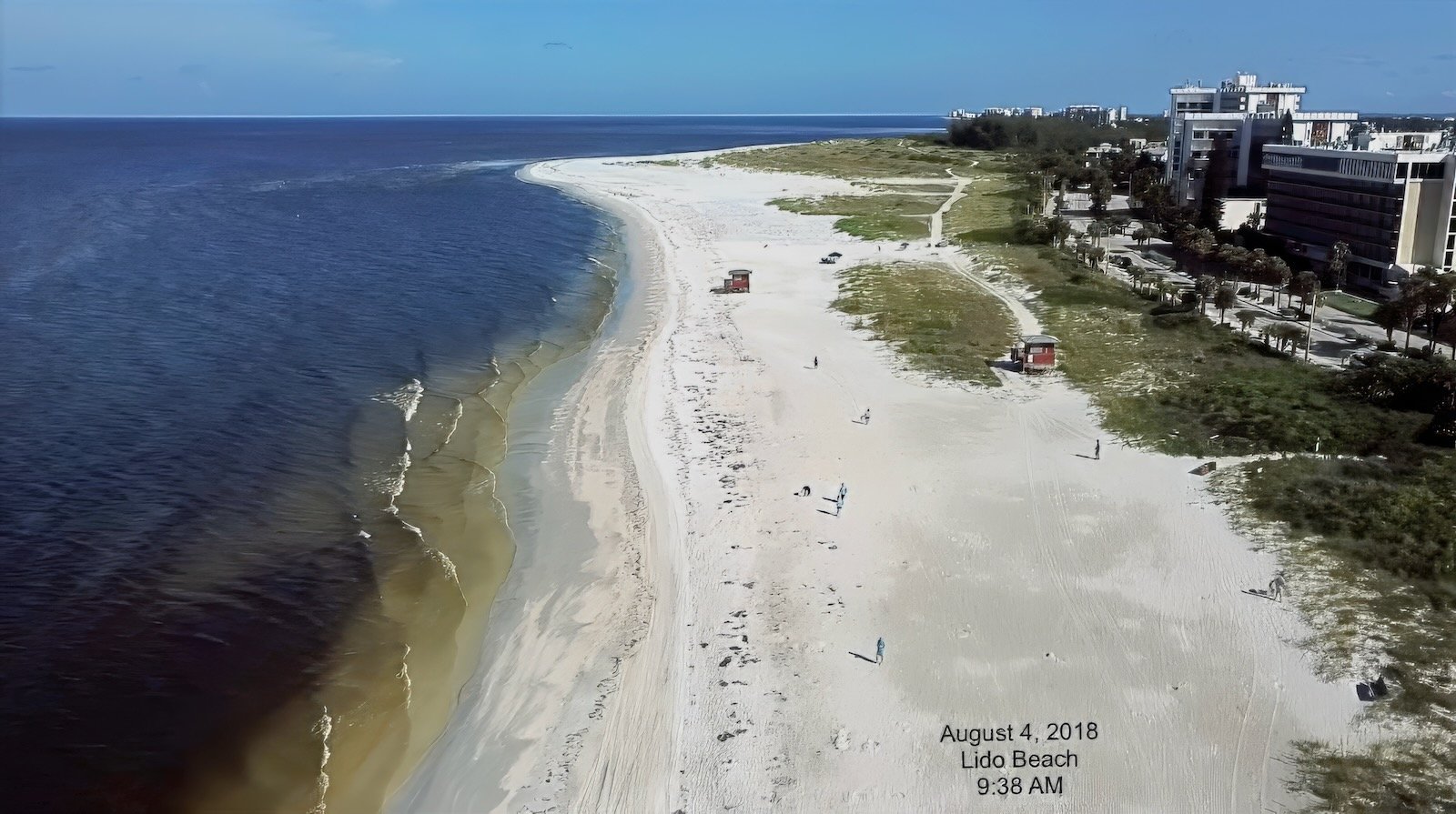
Red Tide has left its mark on me—and on Sarasota’s story. Over the decades, I’ve seen this beautiful coastline transform from turquoise tranquility to something unrecognizable: a brown, lifeless sea, choking on its own biology. I’ve seen fish litter the beaches, manatees perish, and the air itself burn your lungs and eyes.
But I’ve also seen our coast bounce back—every single time.
So here are my calls to action:
•If you live here, stop relying on social media hysteria.
•Read the science. Know the history. Think critically.
•If you’re visiting, don’t let viral headlines make your decisions for you.
•Check the beach reports. Ask locals. Plan smart.
👉 Start with our Beach Day Guide—it’s designed to help you choose the best beach experience based on current conditions.
👉 And don’t miss the Sarasota Events Calendar—because even during a bloom, there’s no shortage of things to enjoy here.
Fear spreads fast—but facts last longer. So stick with the facts. Stay clear-eyed, not panic-stricken.
I’ll keep reporting what I see and sharing updates from the proven marine scientists. No spin. No hype. Just straight talk from someone who’s lived it.
☀️ Sarasota Endures: A Poetic Farewell
Yes, Red Tide comes.
So do the hurricanes.
The heat hums heavy.
The mosquitoes? Savages with wings.
And don’t get me started on the cockroaches—they could carry off a toddler.
But still…
This is home.
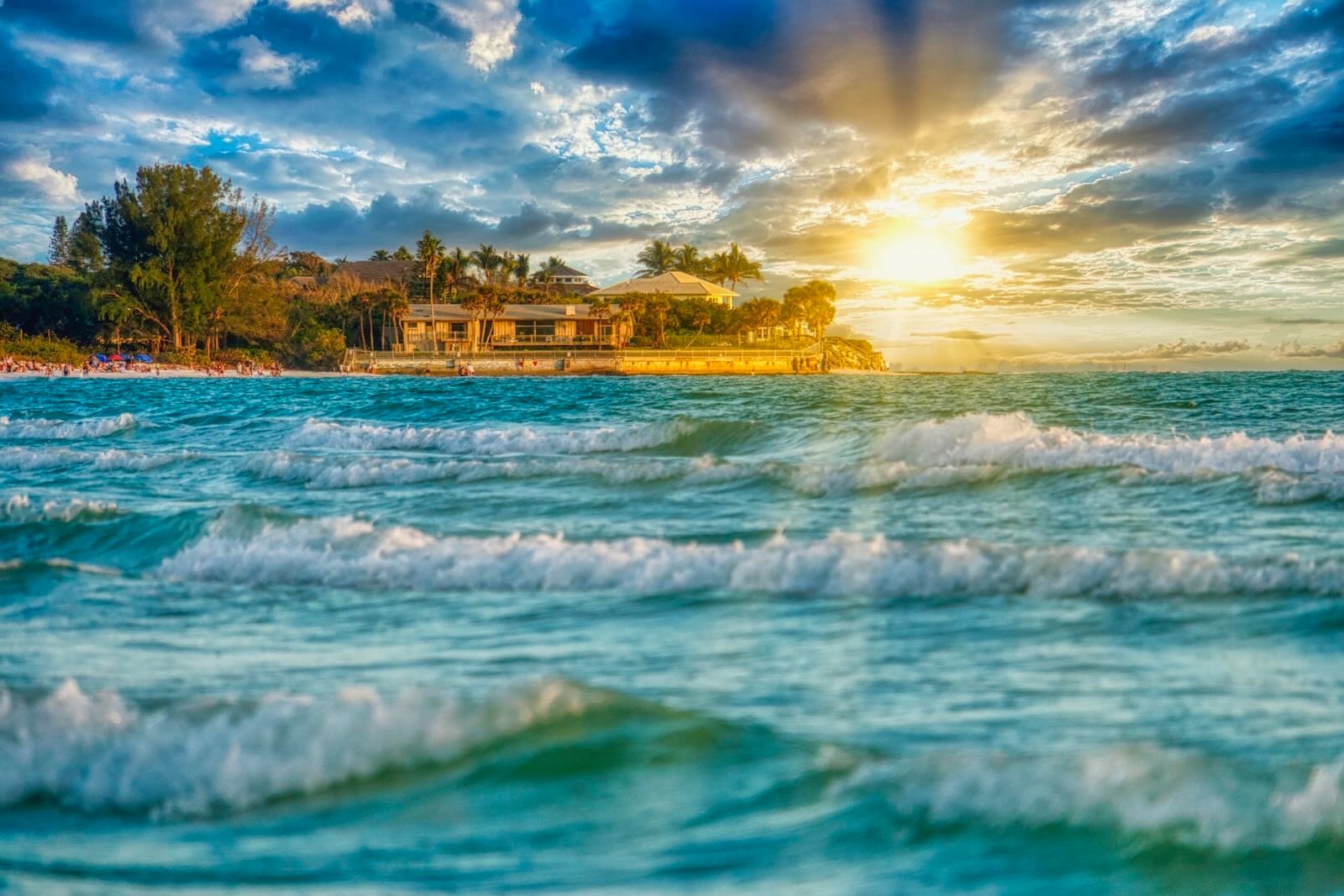
Where sunsets melt into Gulf waters like orange sherbet,
Where sand squeaks beneath your feet,
Where osprey call overhead,
And dolphins dance in morning waves.
Here in Sarasota,
We brace.
We breathe.
We rebuild.
The tide may turn brown,
But it always returns blue.
And so do we.
Through storms, closures, coughs, and cleanup crews,
We return—sun-soaked, sea-salted, and soul-deep.
Let the tourists say what they will.
Let headlines scream.
Let Facebook erupt in claims and chaos.
We know better.
We’ve lived the cycles.
We’ve seen the worst—and watched the coast rise beautiful again.
Because Sarasota heals.
The sky will clear.
The Gulf will breathe.
The pelicans will dive.
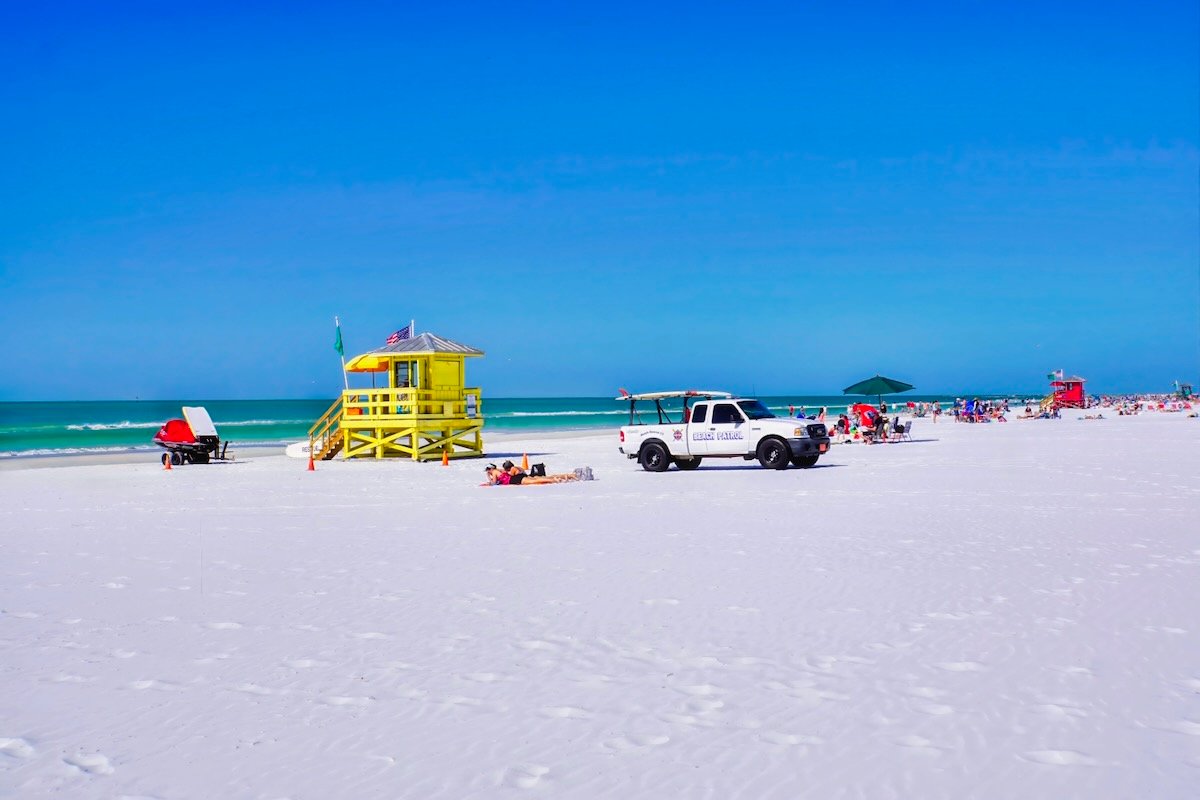
And we’ll watch—grateful, barefoot, home.
🌊 The tide will turn. The peace will return. And Sarasota, forever, will endure. -Mike Payne
Love This Post? Share It!

Hi, I’m Mike – real estate agent, photographer, and blogger. Come along as I dive into all things Sarasota, Florida, share insider tips and exciting stories that make this place special. For 20+ years, I’ve helped countless people buy and sell property. Before I transitioned to full-time real estate, I taught high school English & coached basketball.”







One response to “Florida Red Tide: The Shocking Truth Locals Know (That Tourists Don’t)”
[…] Florida Red Tide: The Shocking Truth Locals Know (That Tourists Don’t) […]