Red Tide Florida Lake Okeechobee: Discharges & Fixes

Facebook
LinkedIn
Twitter
Pinterest
red tide florida lake okeechobee

Table of Contents

Opening Scene: The Summer the Water Turned Green

Red Tide Florida Lake Okeechobee became a headline in 2018, when discharges from the lake worsened impacts in both Stuart and Fort Myers.

It was the summer of 2018, and the Gulf smelled wrong. Not the usual briny tang, but a sour, earthy, unmistakably rotten note. Driving toward Fort Myers Beach, the water looked like pea soup mixed with motor oil. Locals called it “green sludge.”
The year before, Hurricane Irma soaked the state. With the lake high and the dike doing its job, the Army Corps released huge volumes from Lake Okeechobee—east to Stuart and west to Fort Myers. Bo

Where the Sludge Came From—and Why Stuart & Fort Myers Took the Hits

Fort Myers Beach green sludge Lake Okeechobee discharge

Florida’s inland “bathtub” is Lake Okeechobee, bordered by the Herbert Hoover Dike. When the lake rises fast, managers must move water. Historically, that meant two artificial safety valves:

•East: St. Lucie River → Indian River Lagoon (Stuart)

•West: Caloosahatchee River → Gulf of Mexico (Fort Myers)

When water moving out of Lake O carries excess nitrogen and phosphorus (ag runoff, failing septics, legacy muck), it turns estuaries into nutrient buffets. That’s the freshwater cyanobacteria — the “green sludge” — that doesn’t belong in salty places and can push ecosystems over the edge.

Red Tide vs. “Green Sludge”: What the Expert Actually Says (Dr. Rick Bartleson, SCCF)

DSC00079 8
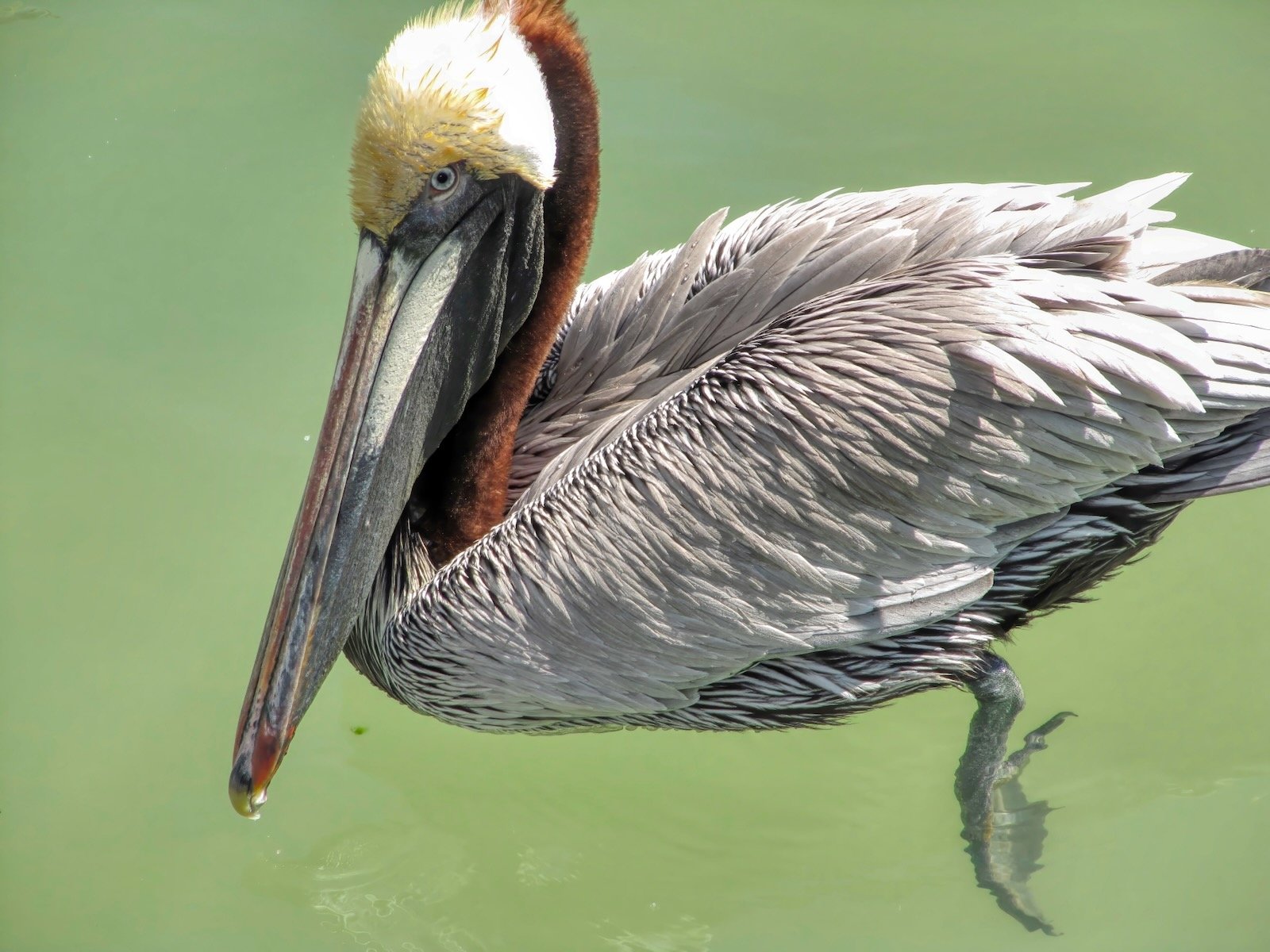
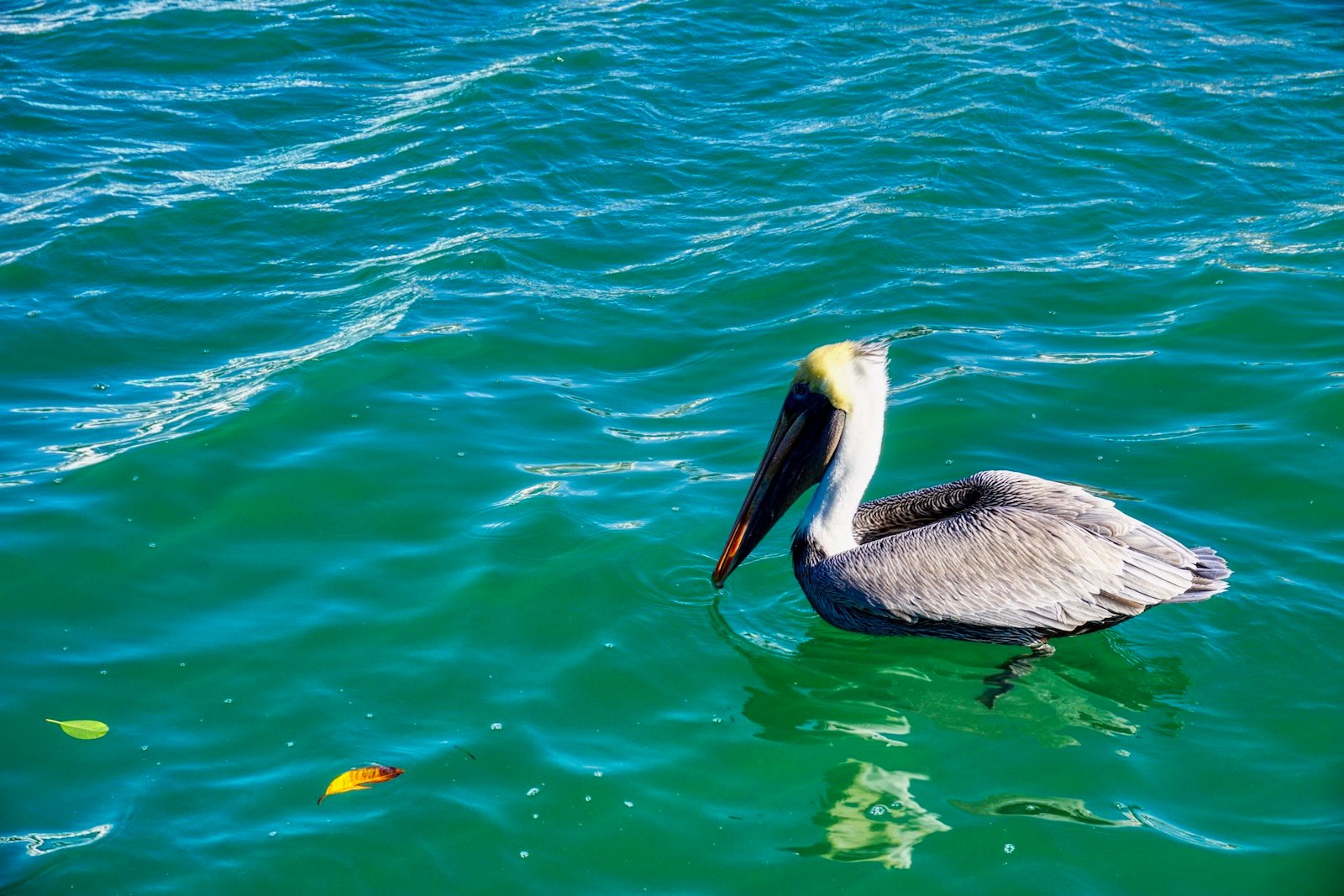
Shorebirds endure the Gulf affected by Red Tide

In 2018, the freshwater cyanobacteria hit the coast while Karenia brevis (Red Tide) was already offshore. That overlap made it easy to assume one caused the other.

According to Dr. Rick Bartleson of the Sanibel-Captiva Conservation Foundation:

“The blue-green algae isn’t causing the red tide to bloom… We already had a lot of red tide out there. They already have a lot of nutrient sources.”

Red Tide forms offshore in saltwater, Bartleson notes. However, when nutrient-rich river water meets an existing bloom, it can prolong the bloom or intensify its impact. In 2018, that’s exactly what Fort Myers and Stuart experienced—a perfect storm of freshwater sludge colliding with a stubborn saltwater bloom.

Quick myth checks distilled from Bartleson’s public explanations:

•Freshwater ≠ Red Tide. Cyanobacteria (freshwater) and Karenia brevis (saltwater) are different organisms.

•Timing matters. If Red Tide is already present offshore, large nutrient pulses can make it last longer or hit harder.

•Geography matters. Local wind, tides, and circulation determine who gets clobbered and for how long.

What’s Changed Since 2018 (and Why It Matters)

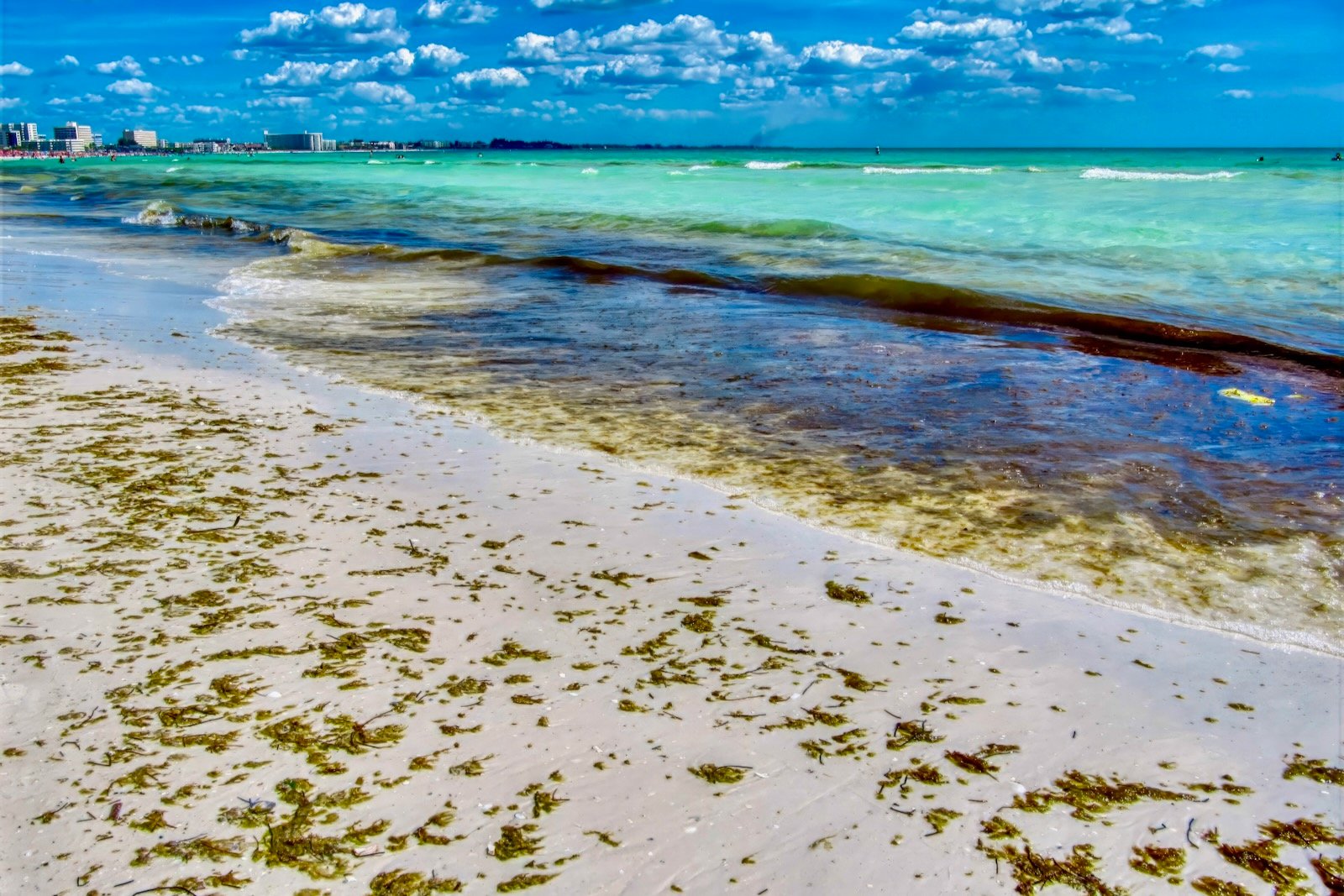
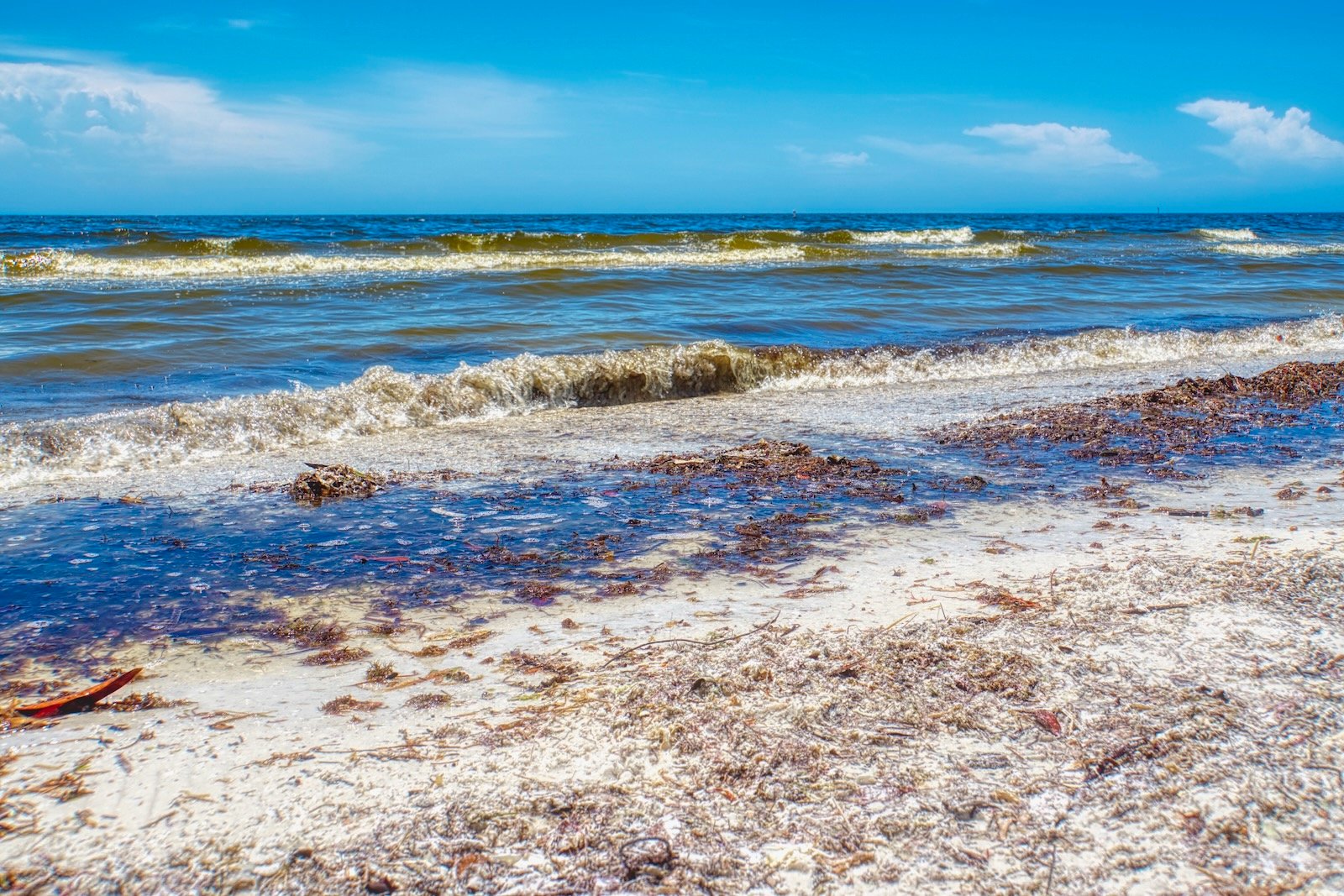
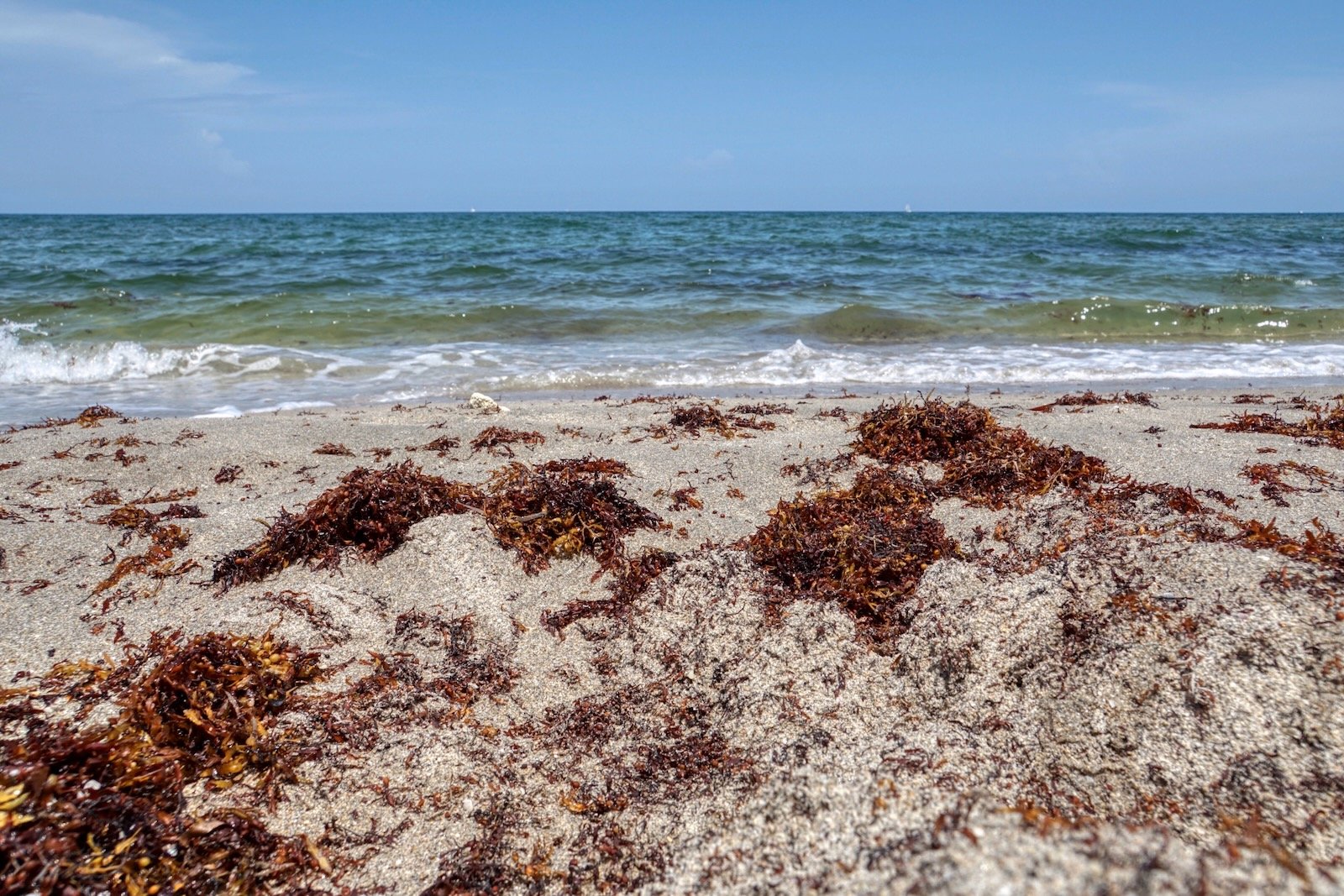
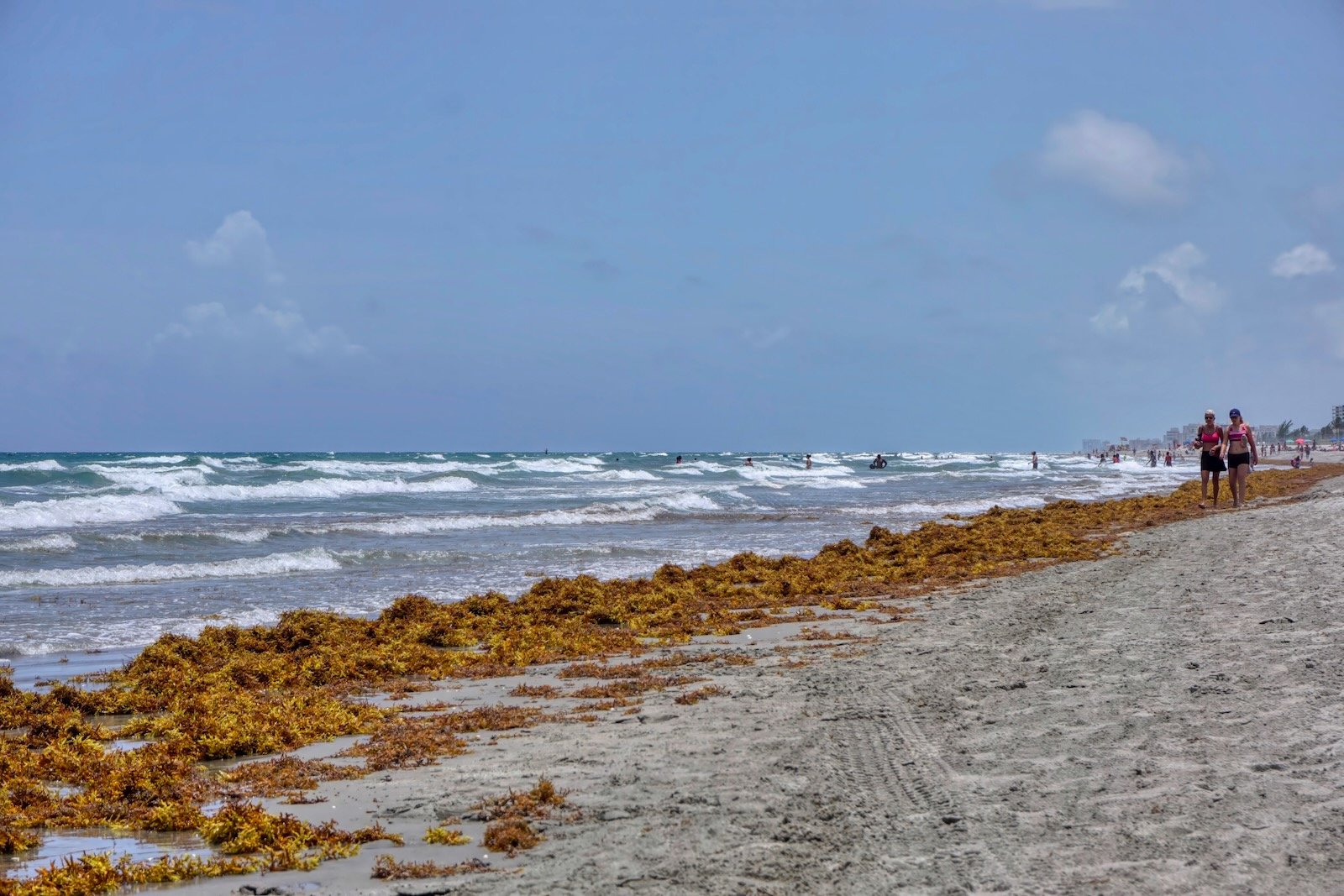
Dark Gulf water & seaweed combine to challenge beach visits.

Modern operations: The Army Corps now uses the Lake Okeechobee System Operating Manual (LOSOM) to better balance flood control with estuary health. LOSOM gives managers more flexibility to reduce or pause discharges during high-risk windows (for example, when blooms are already flaring downstream).

Upstream restoration that helps the lake:

•Kissimmee River Restoration (completed 2021): Re-meandered channels and restored wetlands to bring back natural filtration before water reaches Lake O.

Storage + treatment to send more water south:

•Everglades Agricultural Area (EAA) Reservoir & STAs (under construction): Built to store excess Lake O water and clean it before moving south—reducing emergency east/west pulses over time.

Operational tweaks you’ve felt locally:

In recent seasons, managers have dialed back Caloosahatchee flows at key times to avoid feeding blooms as summer heats up. Not zero releases—smarter releases.

What Governor Ron DeSantis Did

DSC01831 2
DSC02256 1

Short version: he put big, recurring state money on the table and pushed operational changes that complement the federal work.

•Funding commitment: Beginning in 2019, a “Bold Vision” plan targeting roughly $2.5B over four years (about $625M/year) for Everglades restoration and water-quality projects—accelerating storage, treatment wetlands, septic-to-sewer conversions, and stormwater upgrades.

•Dry-season lake strategy: Pressed federal partners early on to keep Lake O lower in the dry months when feasible, reducing the odds of panic discharges during summer.

•HAB response & monitoring: Elevated harmful algal bloom monitoring/mitigation at the state level and backed local nutrient-reduction projects.

•Everglades momentum: Consistent state dollars helped keep the EAA reservoir/STA components and other CERP projects moving—critical for sending more clean water south instead of blasting it east/west.

What President Donald Trump Did (First Term)

Gulf at Fort Myers Beach slowly recovers from Lake "O" discharges, causing water to turn green.

Short version: federal dollars and approvals that kept major infrastructure and science moving.

•Everglades & Corps funding: Increased federal support for CERP projects, advancing the EAA Reservoir partnership and related approvals.

•Herbert Hoover Dike rehab: Backed substantial funding that accelerated dike rehabilitation, improving flood safety and giving managers a more reliable structure to operate around—key to avoiding emergency releases.

•Harmful algal bloom support: Signed federal measures expanding HAB research and response funding, plus broader water-infrastructure packages channeling dollars through USACE and environmental resiliency programs.

•Runway to LOSOM: Federal engagement and appropriations supported the transition to the modern ops manual, replacing the old release schedule.

Bottom line on leadership: State and federal moves together gave water managers more tools, more funding, and more flexibility. That hasn’t “fixed” Red Tide or Lake O’s legacy nutrients, but it has reduced the frequency and severity of 2018-style disasters.

A Memory From the Middle of the Mess

DSC04367 1

I walked Sanibel’s beach at the peak of 2018. Fish lined the tideline—snook, trout, even a small shark—washed up overnight. The air stung my nose. The water shifted from Gulf blue to green-brown in a single, ugly seam.
A fisherman in a sun-bleached cap told me, “I’ve been out here forty years. Red Tide isn’t new—but I’ve never seen it stack up with that lake water like this.” His voice wasn’t angry—just heavy, like someone talking about a backyard they loved.

Is It Fixed for Good?

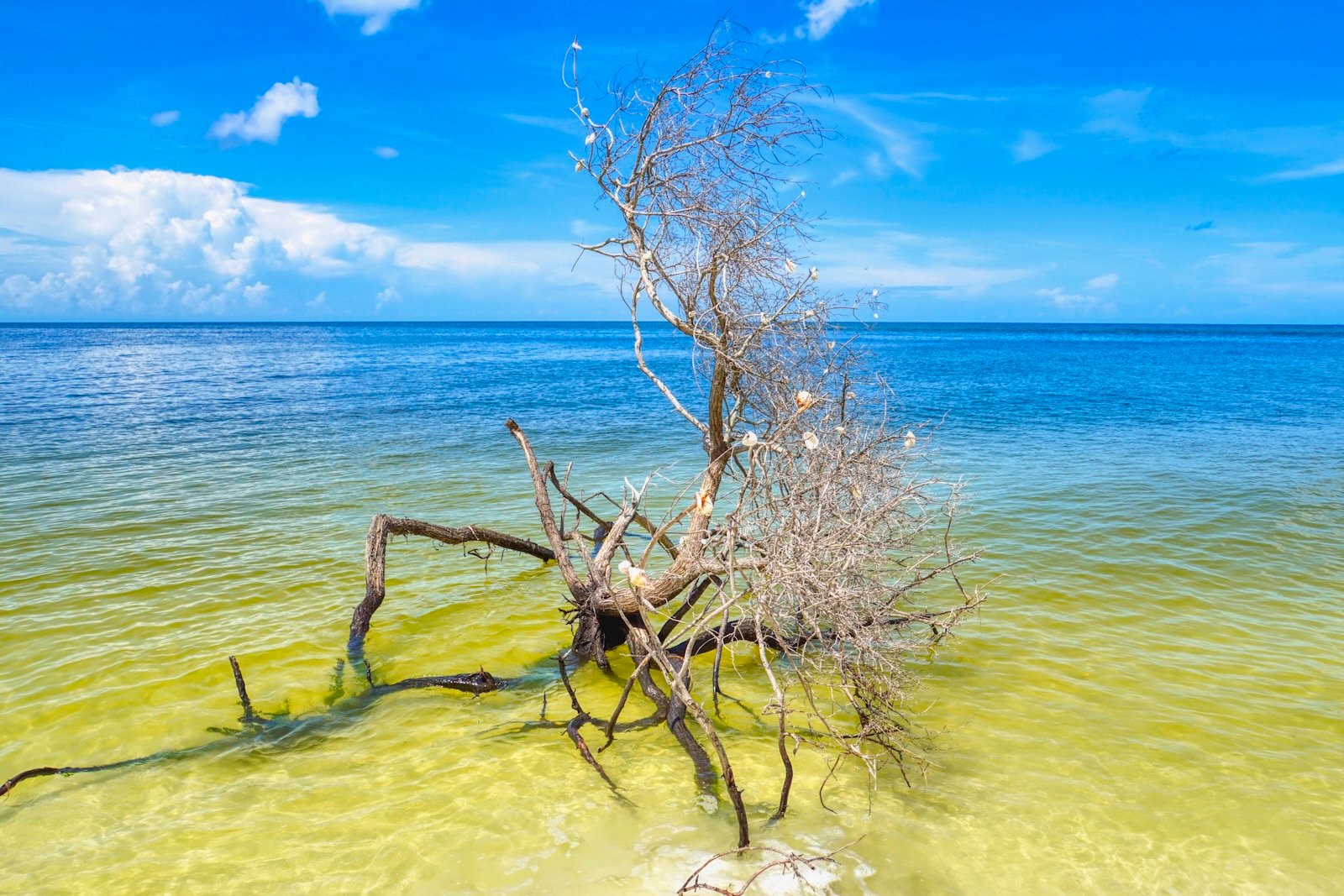
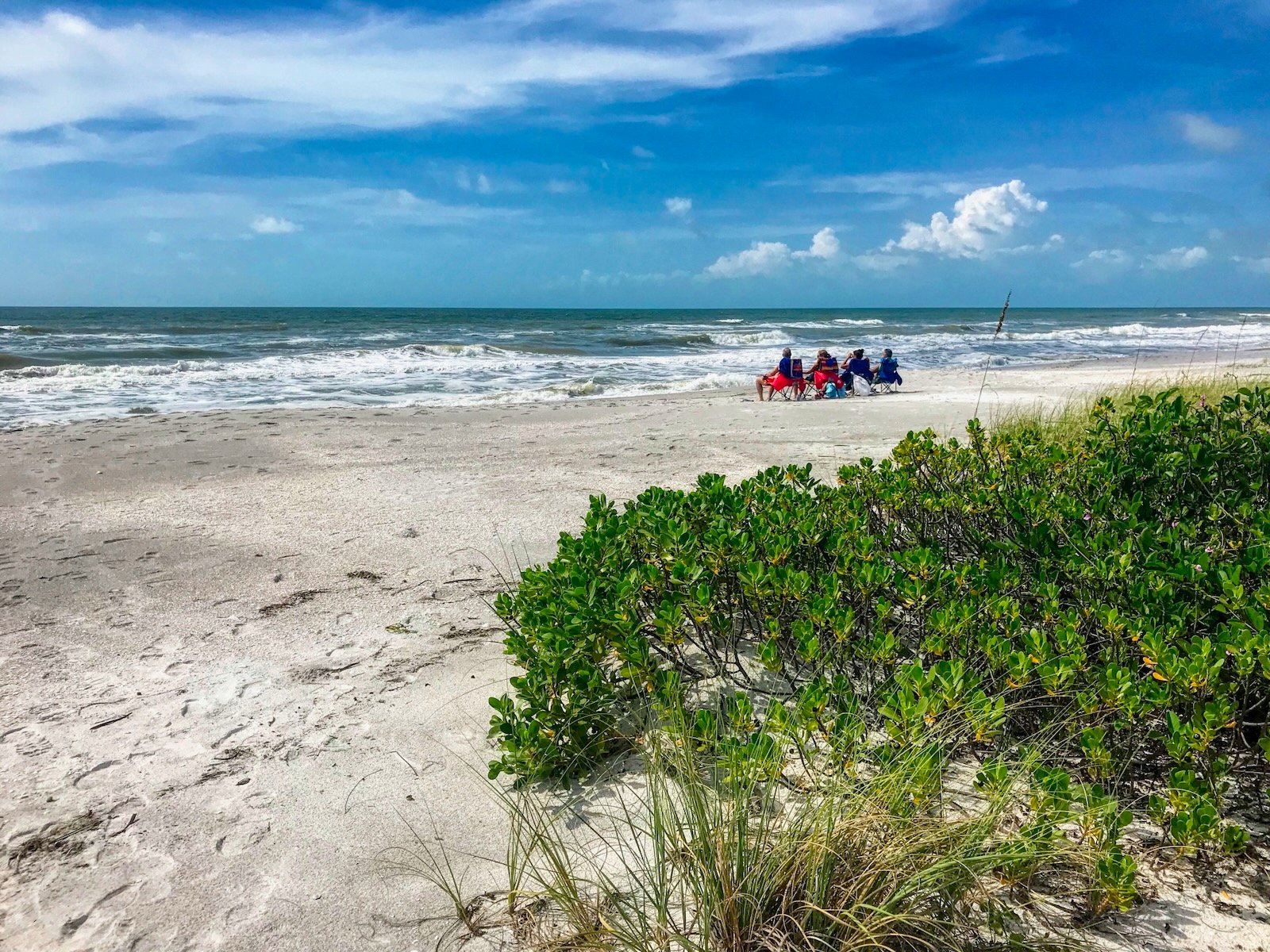
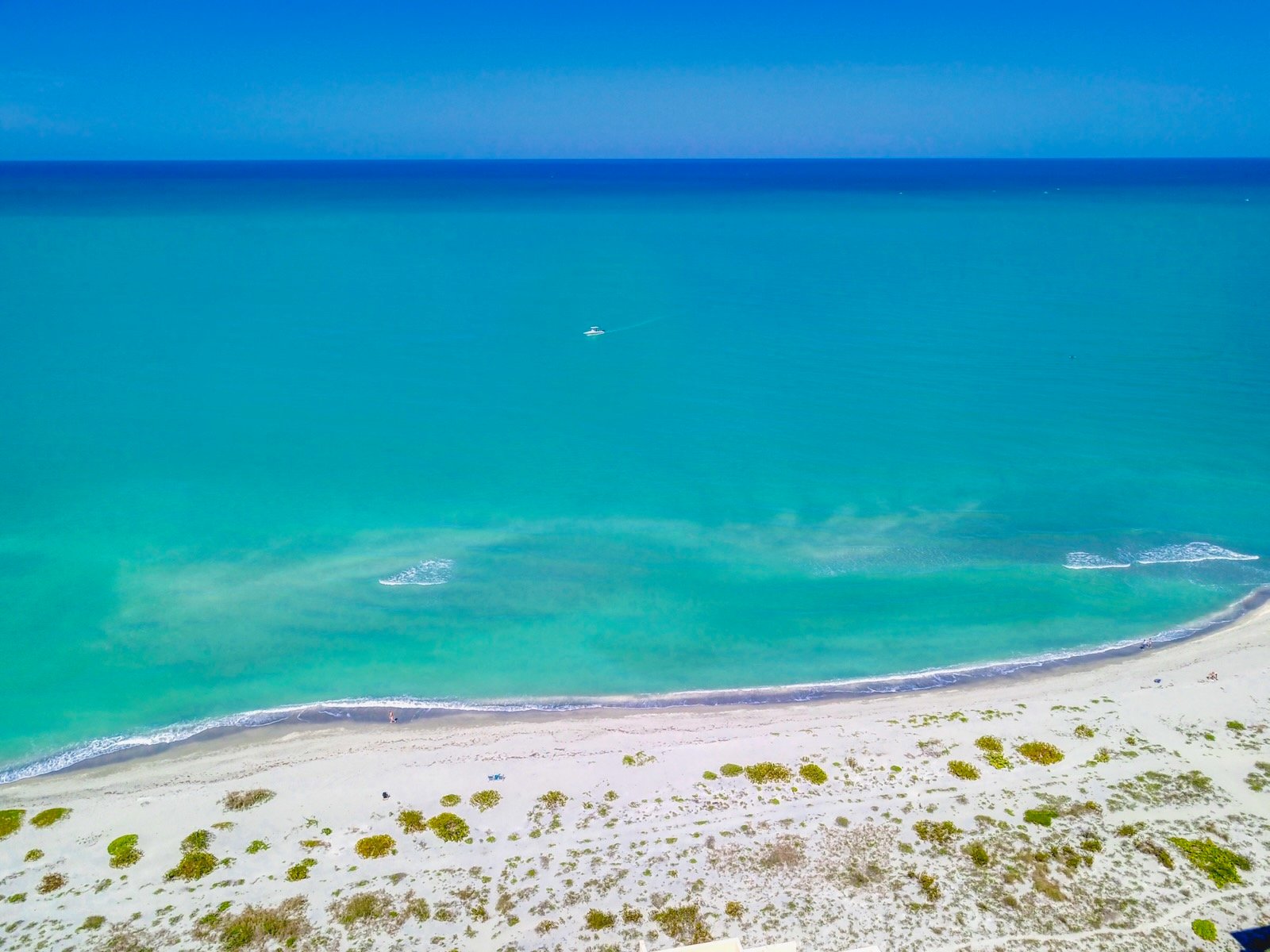
Healthy Gulf radiates its normal blue-green color

Not yet.

Progress is real, but three stubborn realities remain:

•Legacy nutrients settled in Lake O’s muck.

•Local watershed runoff (lawns, streets, farms) feeding rivers even without lake releases.

•Weather swings that can force tough choices during wet years.

The difference now: more storage, more treatment, smarter timing. That means fewer summers like 2018—and shorter when they do flare.

Bottom Line: these two issues are different: “man” created the Lake O issues; Mother Nature creates the naturally-occurring Red Tide that occasionally smacks us.  

Learn More & Take Action

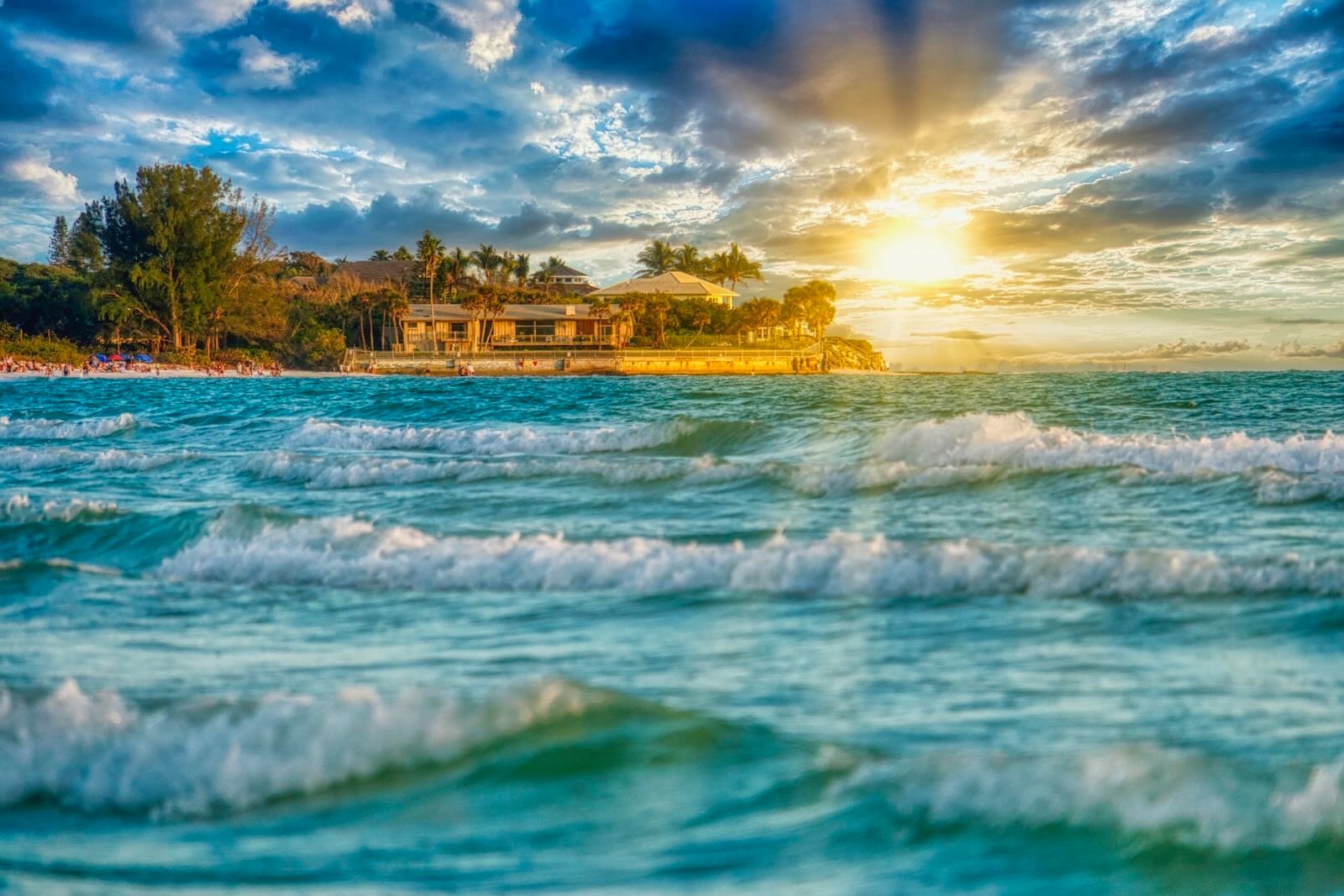
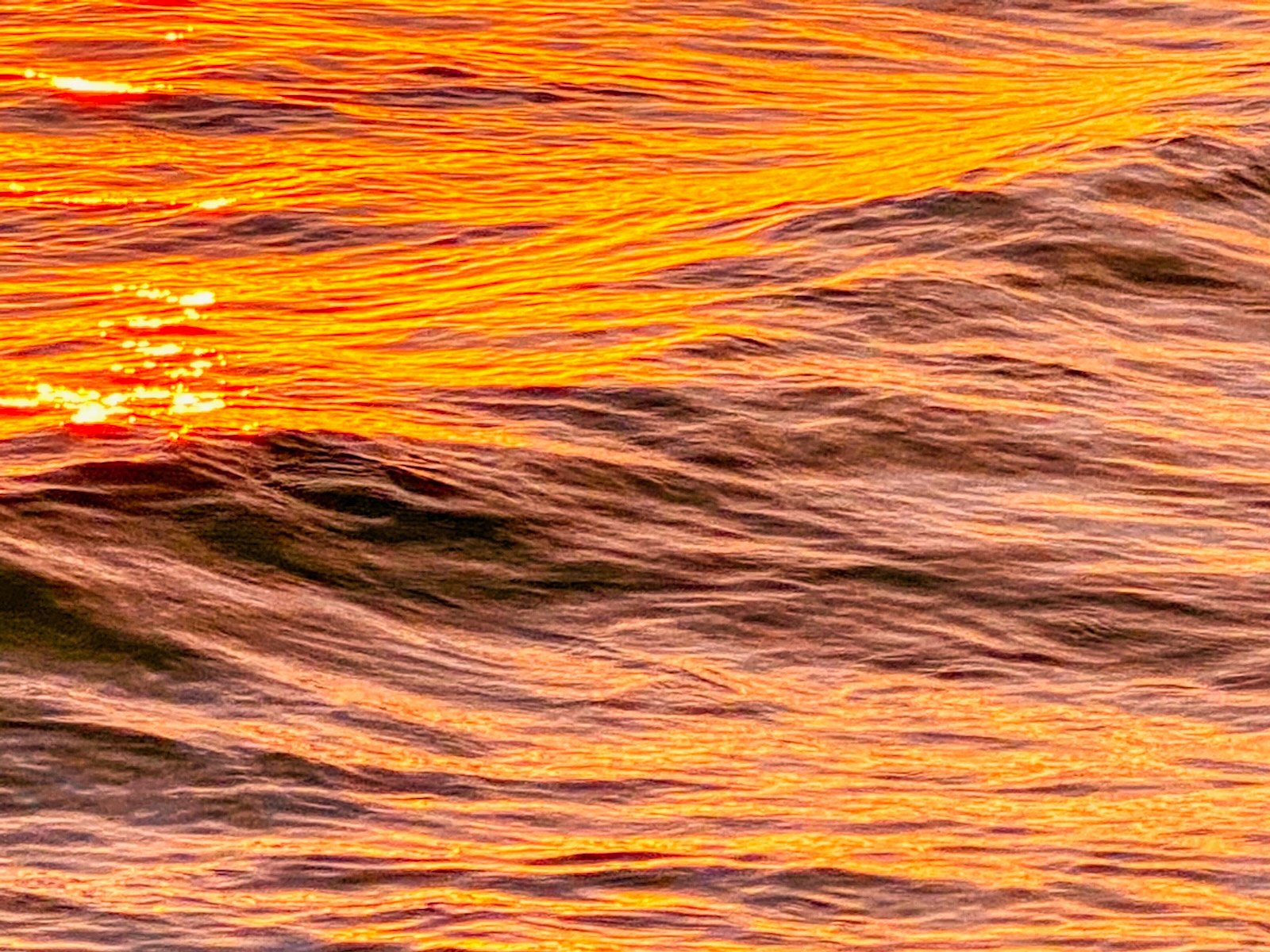
Setting sun radiates off the gentle Gulf waves in Sarasota, Florida
DJI 0027

The fight against harmful algal blooms continues—but progress is underway.
Florida agencies, universities, and local communities are working together to reduce nutrient runoff, improve water management, and restore natural flow south of Lake Okeechobee.

👉 Learn what’s being done to combat blue-green algae: South Florida Water Management District – Addressing Blue-Green Algal Blooms

📅 Explore What’s Happening Around Sarasota: Check out the Sarasota Lifestyle Events Calendar for festivals, markets, and waterfront events that celebrate our Gulf Coast lifestyle.

🌴 Related Reads You Might Enjoy:

Red Tide Myths & Truths: What Every Sarasota Local Should Know

Share the Shore Sarasota: Protecting Wildlife & Water Quality

Together, awareness and action help keep our waters blue—and our beaches alive.

Facebook
LinkedIn
Twitter
Pinterest

Love This Post? Share It!

Hi, I’m Mike – real estate agent, photographer, and blogger. Come along as I dive into all things Sarasota, Florida, share insider tips and exciting stories that make this place special. For 20+ years, I’ve helped countless people buy and sell property. Before I transitioned to full-time real estate, I taught high school English & coached basketball.”

Got a comment on this article? Join the conversation below.

Related Posts

Join The Conversation

Leave a Reply

Your email address will not be published. Required fields are marked *

This site uses Akismet to reduce spam. Learn how your comment data is processed.