
Share the Shore: Protect Sea Turtles and Shorebirds in Sarasota
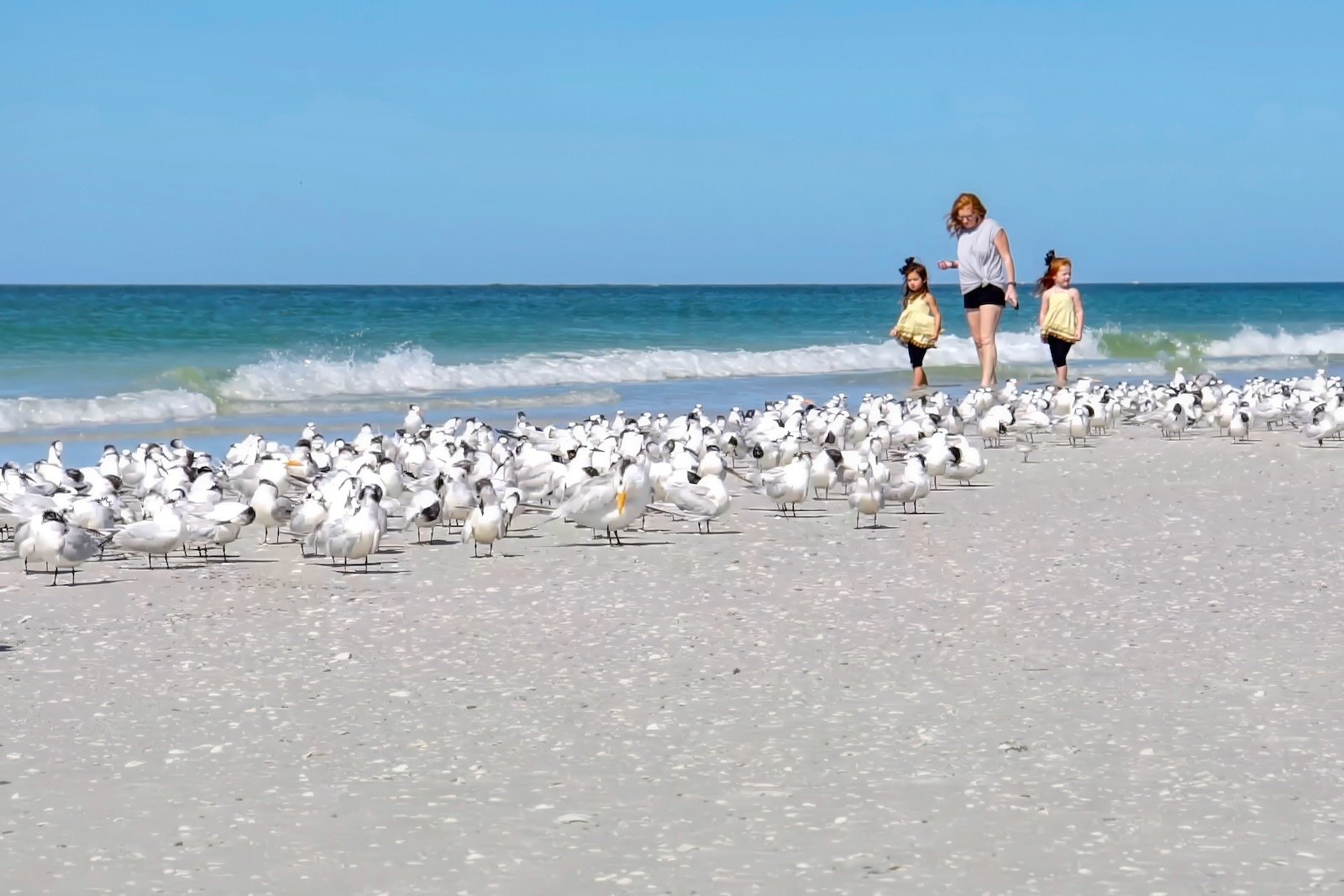
Share the Shore Protect Sea Turtles Shorebirds is more than just a catchy slogan—it’s a reminder that Sarasota’s stunning beaches are homes for incredible wildlife as well as playgrounds for people. Each summer, sea turtles crawl ashore to nest, while shorebirds like black skimmers and terns claim sandy patches to raise their chicks. Sharing these beaches responsibly ensures both visitors and wildlife can thrive together.
Did You Know?
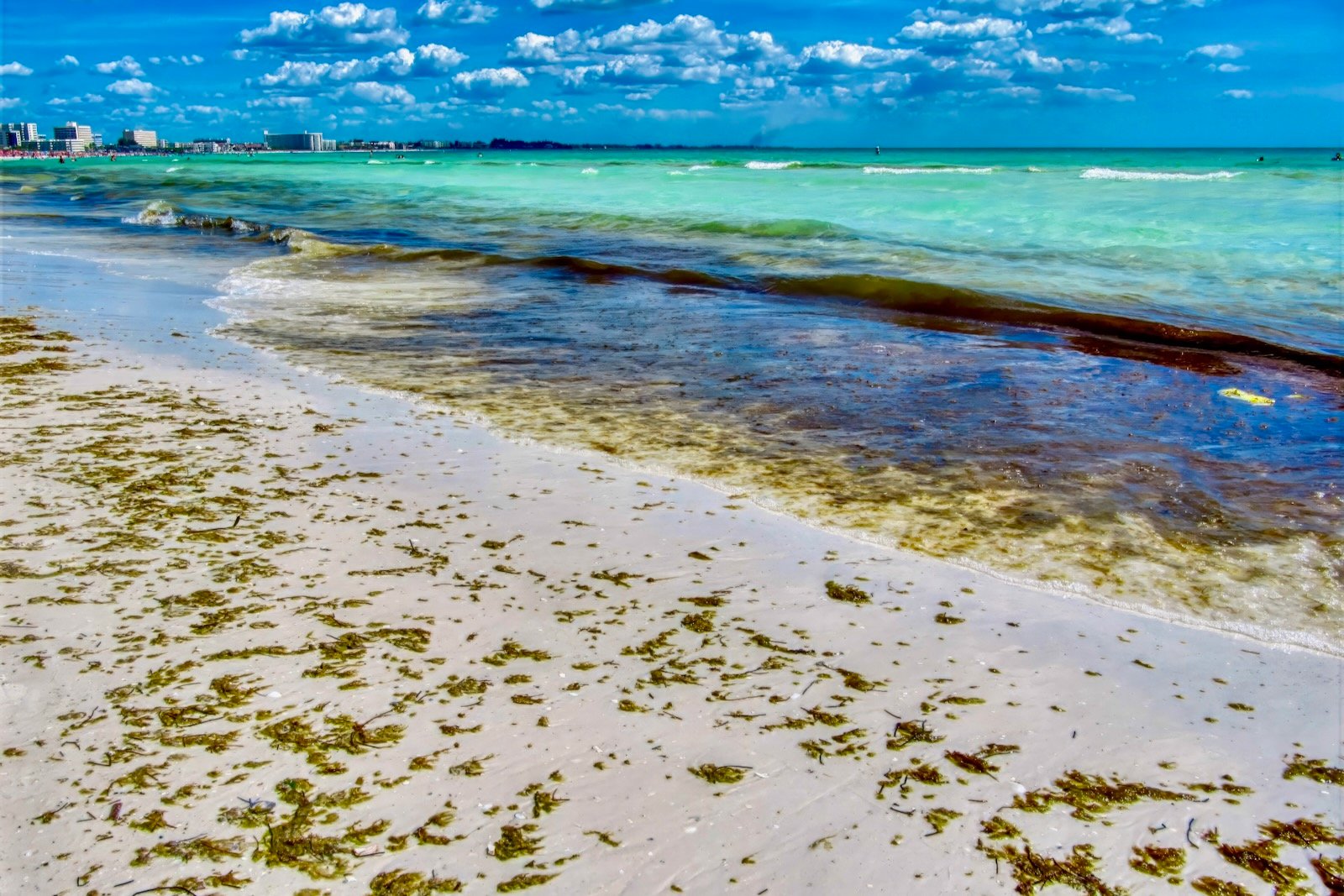
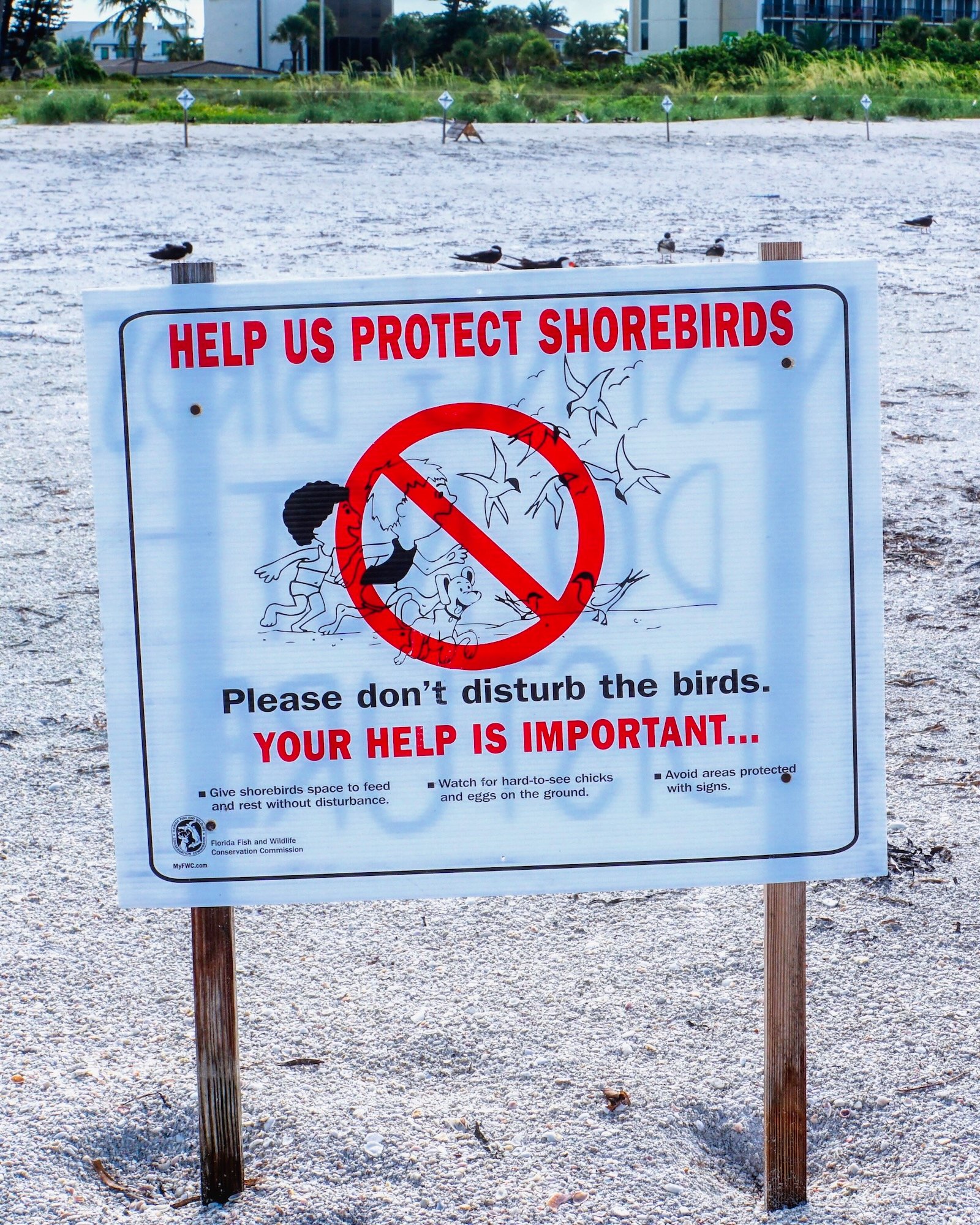
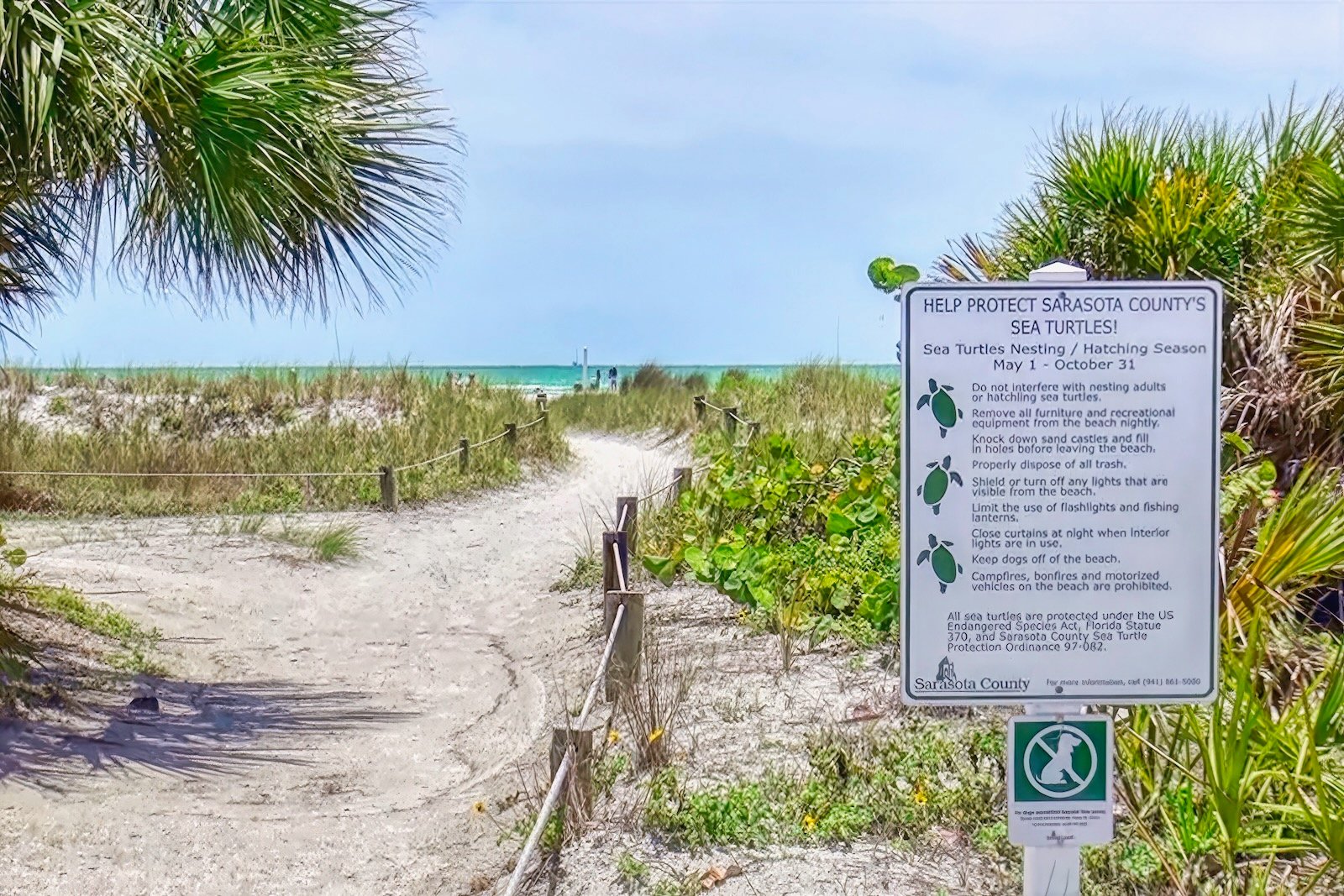
Sarasota County has installed "FYI" at the trailheads of all County beaches, hoping to inform & educate visitors on appropriate beach etiquette, including behavior toward marine life & regard for wrack, i.e. the "ugly stuff" tourists believe shouldn't line the shores.
Why “Share the Shore” Matters
When you visit Lido, Siesta, or Turtle Beach, you’re walking into an active ecosystem. Nesting turtles and shorebirds don’t have the option of moving somewhere else—they need the beach as much as we love it. Protecting their space means:
•Avoiding nests and marked areas
•Not chasing or feeding birds
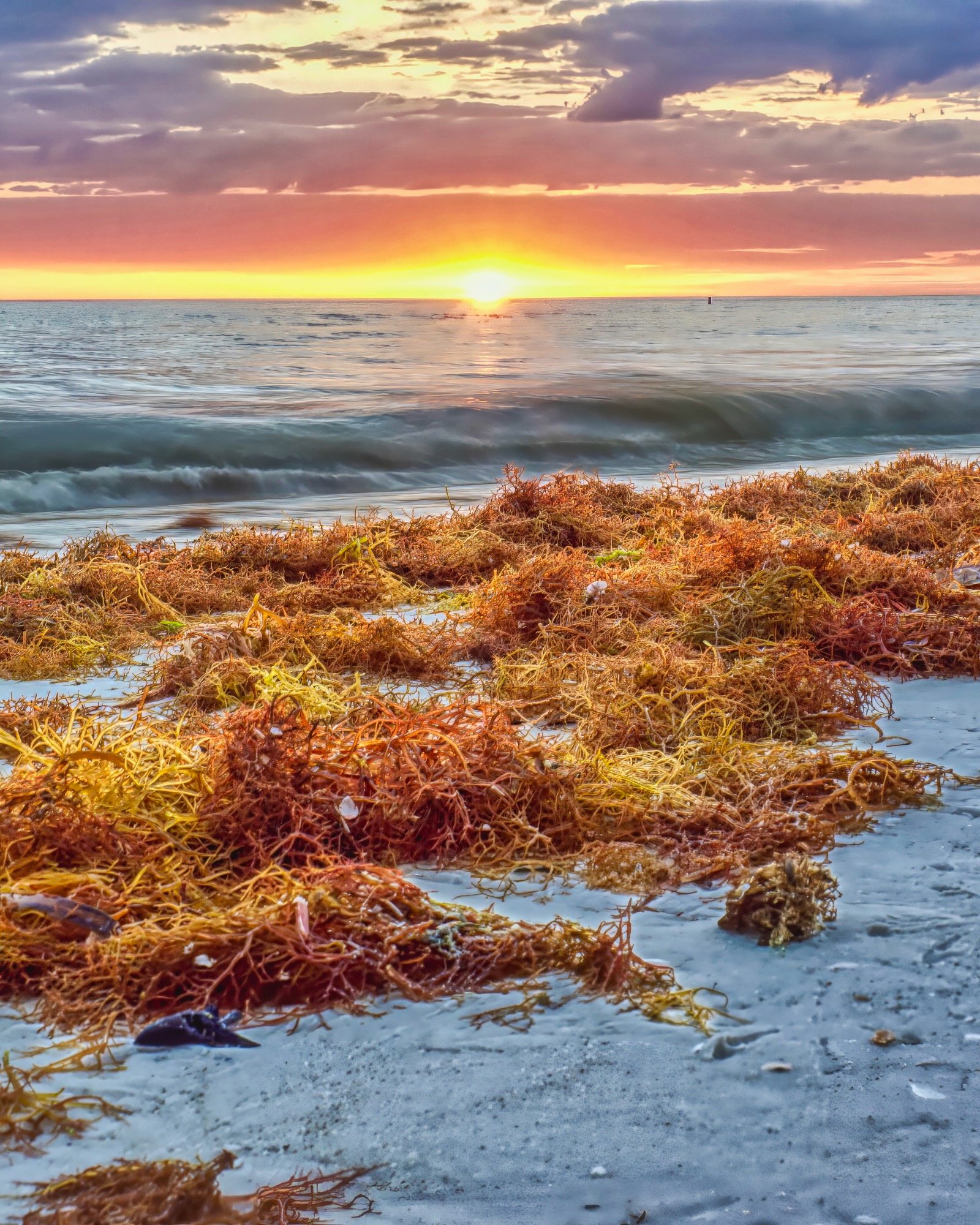
•Leaving wrack (seaweed) in place — it’s messy to us, but vital food and shelter for birds and hatchlings
Did You Know?
More than 2,000 sea turtle nests are laid on Sarasota County beaches every year, mostly by loggerhead turtles.
Common Shorebirds on Sarasota Beaches
Spend a little time on Sarasota’s shoreline and you’ll notice it’s not just about waves and sand—it’s a stage for some of Florida’s most fascinating shorebirds. Each species brings its own character to the beach, making a simple walk feel like a wildlife tour.
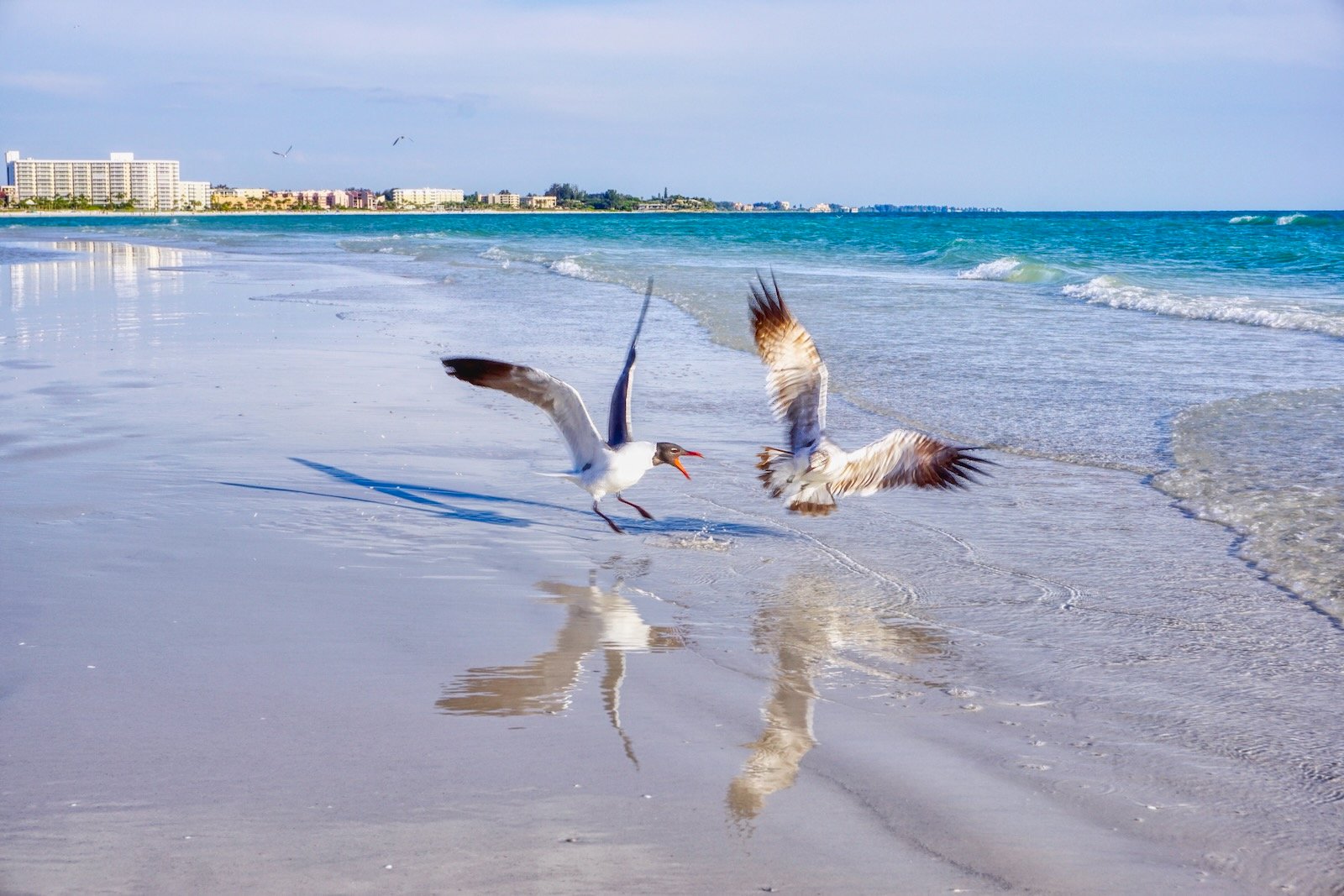
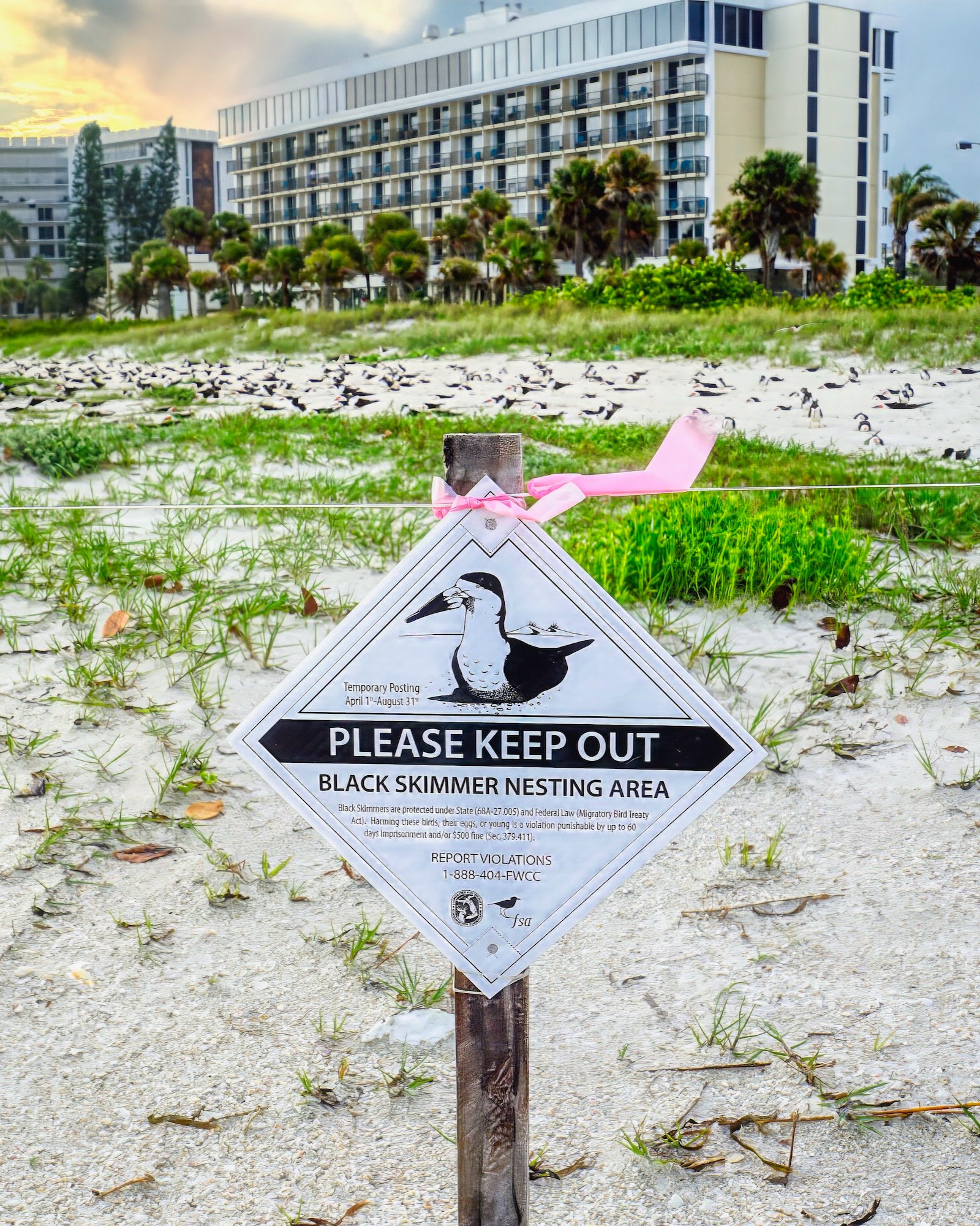
•Black Skimmers are among the most striking. With their bright orange bills and unique beak design—where the bottom half is longer than the top—they quite literally “skim” the water’s surface to catch fish. Lido Beach seems to be their preferred hangout, where you’ll often spot them slicing through the Gulf at sunset, wings brushing just above the waves.
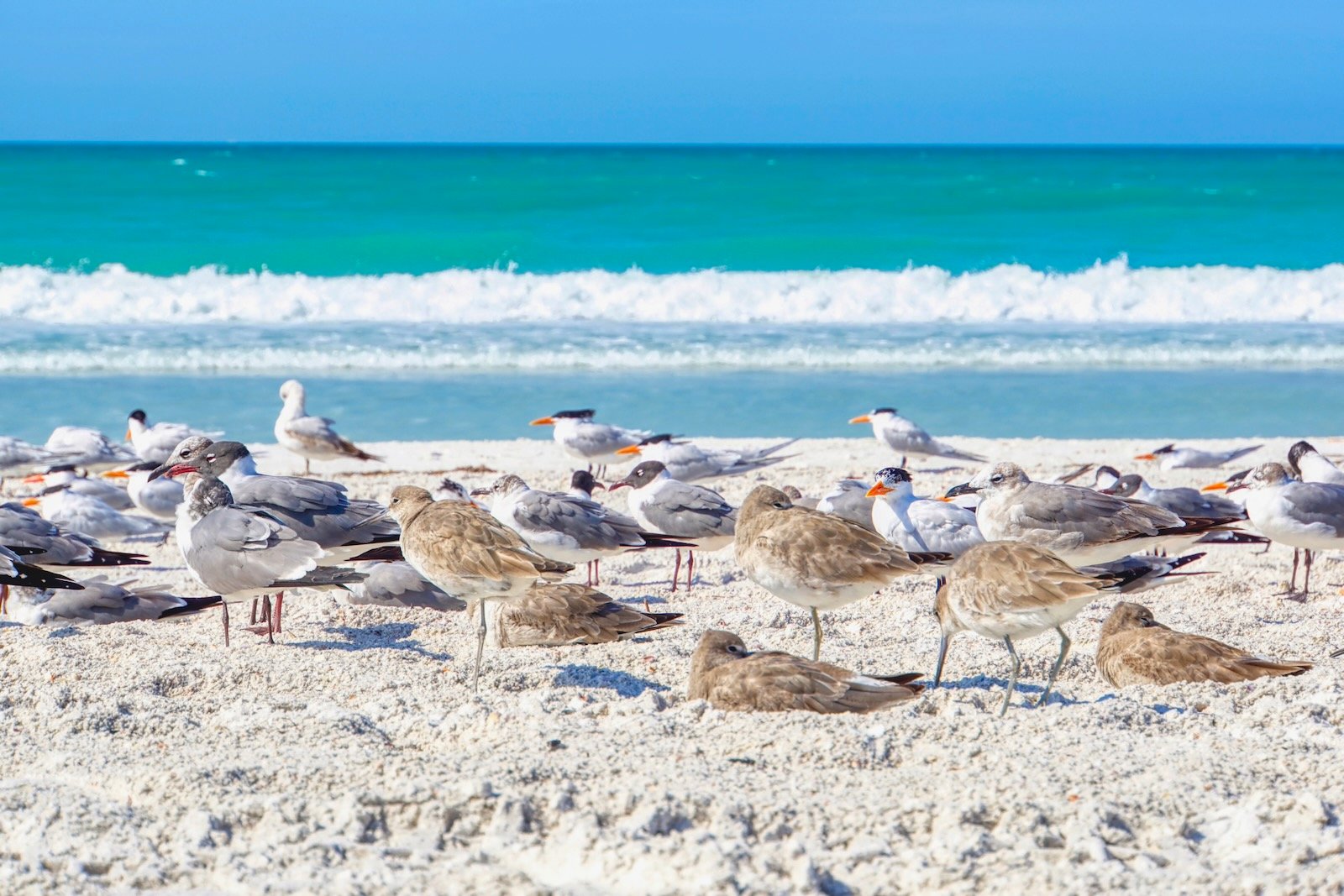
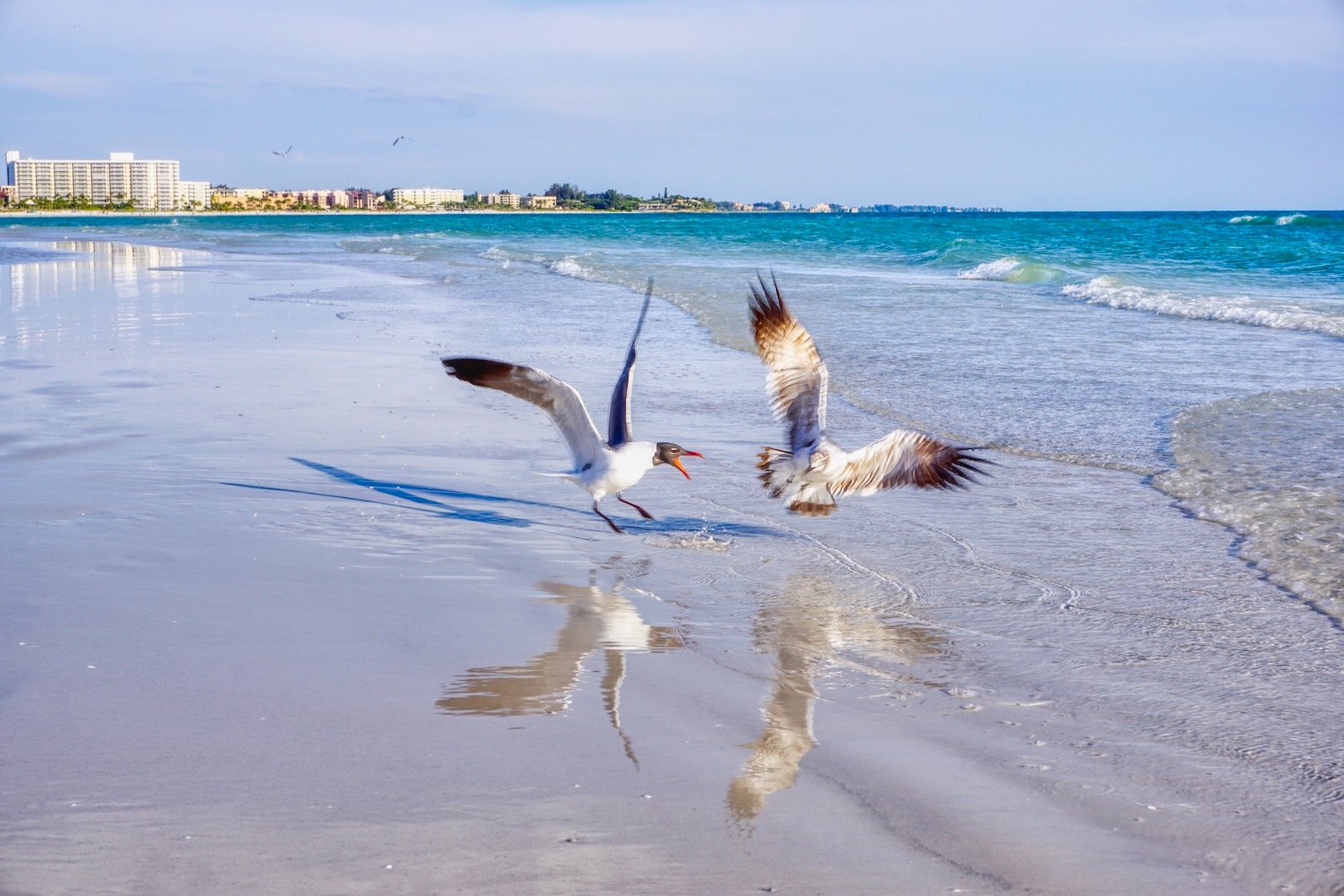
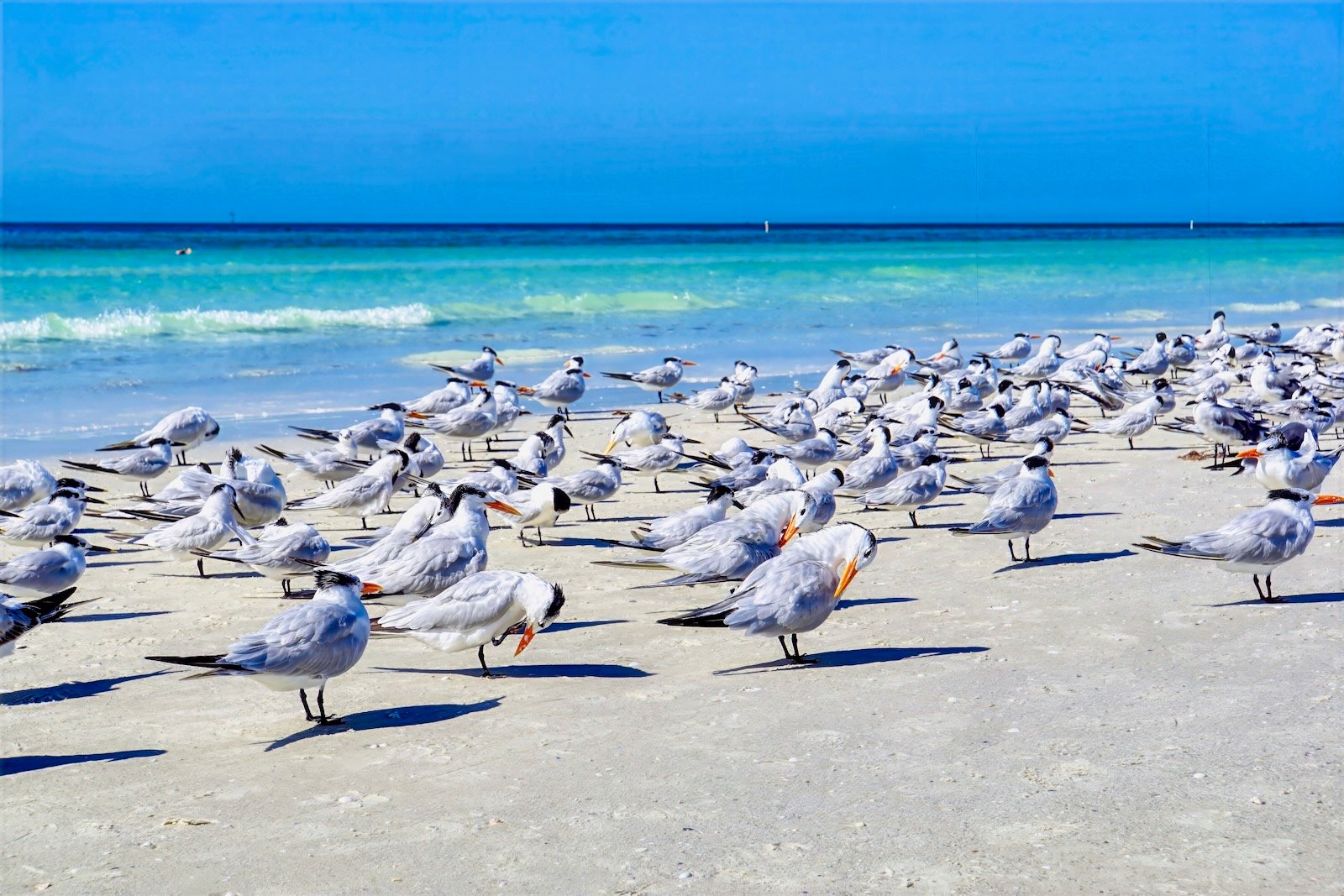
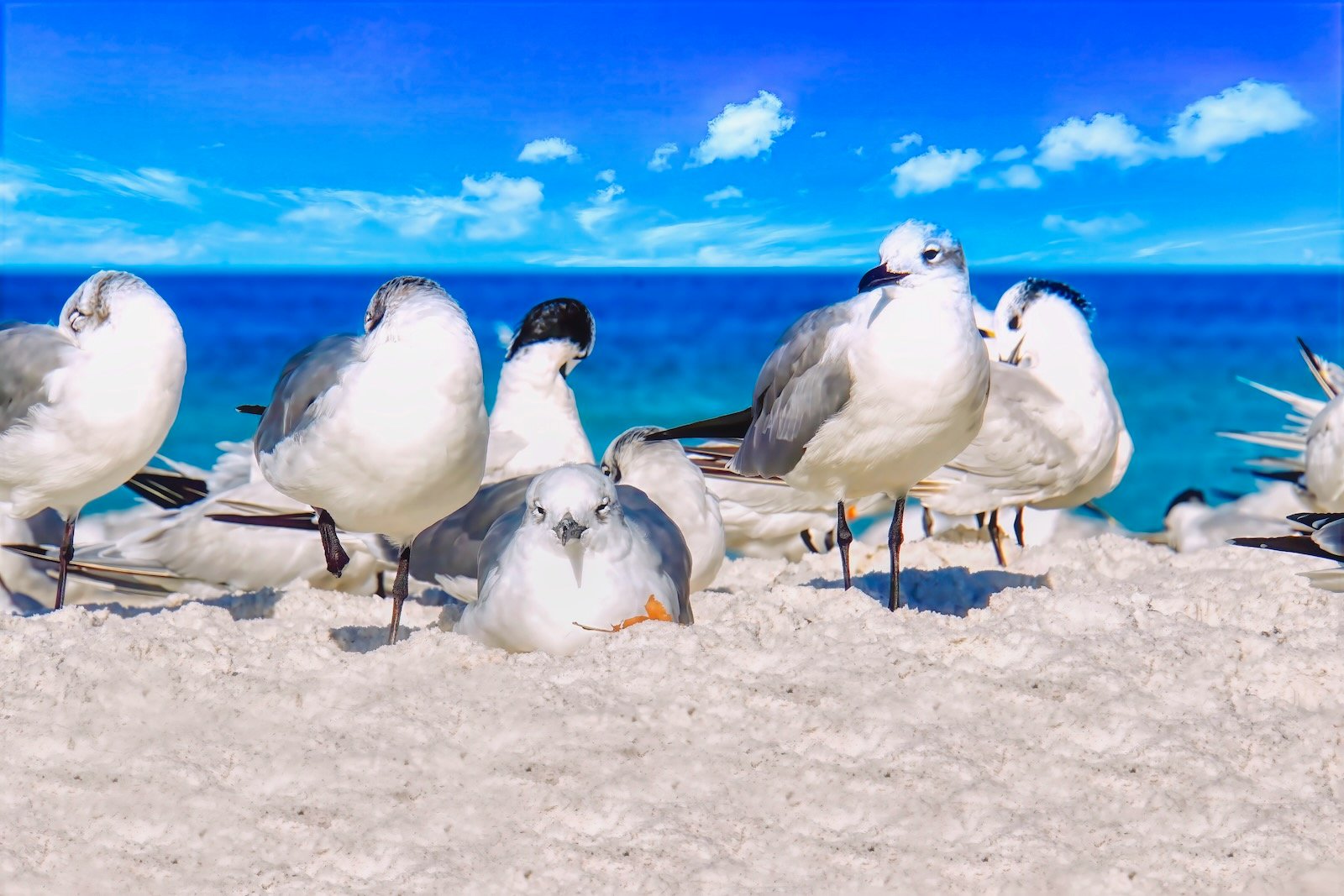
•Terns, on the other hand, are the bold personalities of the shorebird world. Quick and noisy, they don’t hesitate to swoop down and snatch a French fry right out of someone’s hand. Siesta Beach is their favorite gathering place, where they rest in large groups along the sand before suddenly bursting into flight at the first sign of disturbance.
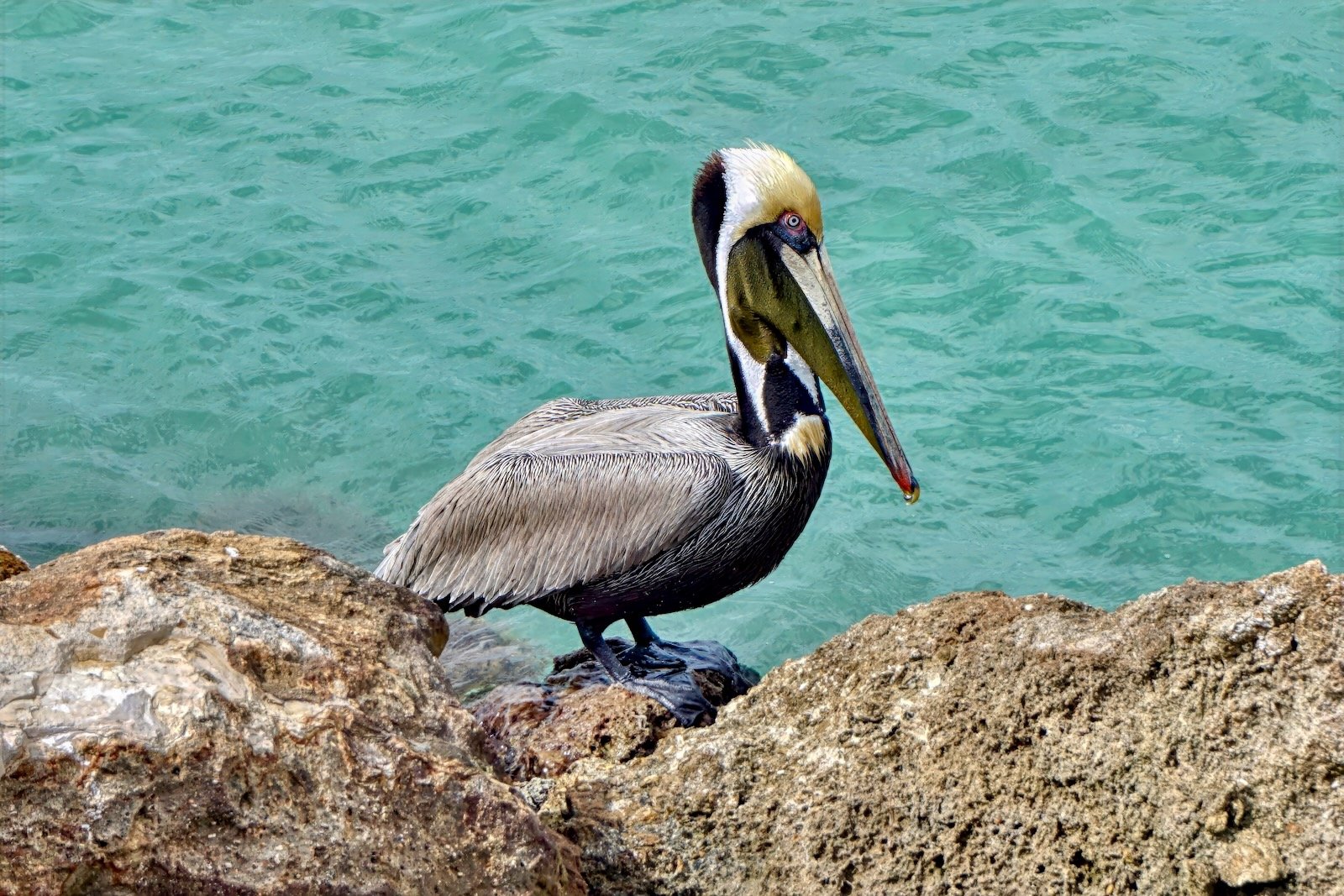
•Pelicans bring a bit of drama and grace. You’ll see them cruising in long formations over the Gulf before folding their wings and plunging headfirst into the water with a splash. After the dive, they bob back up and drift with the swell, pouch full of fish, often looking comically satisfied.
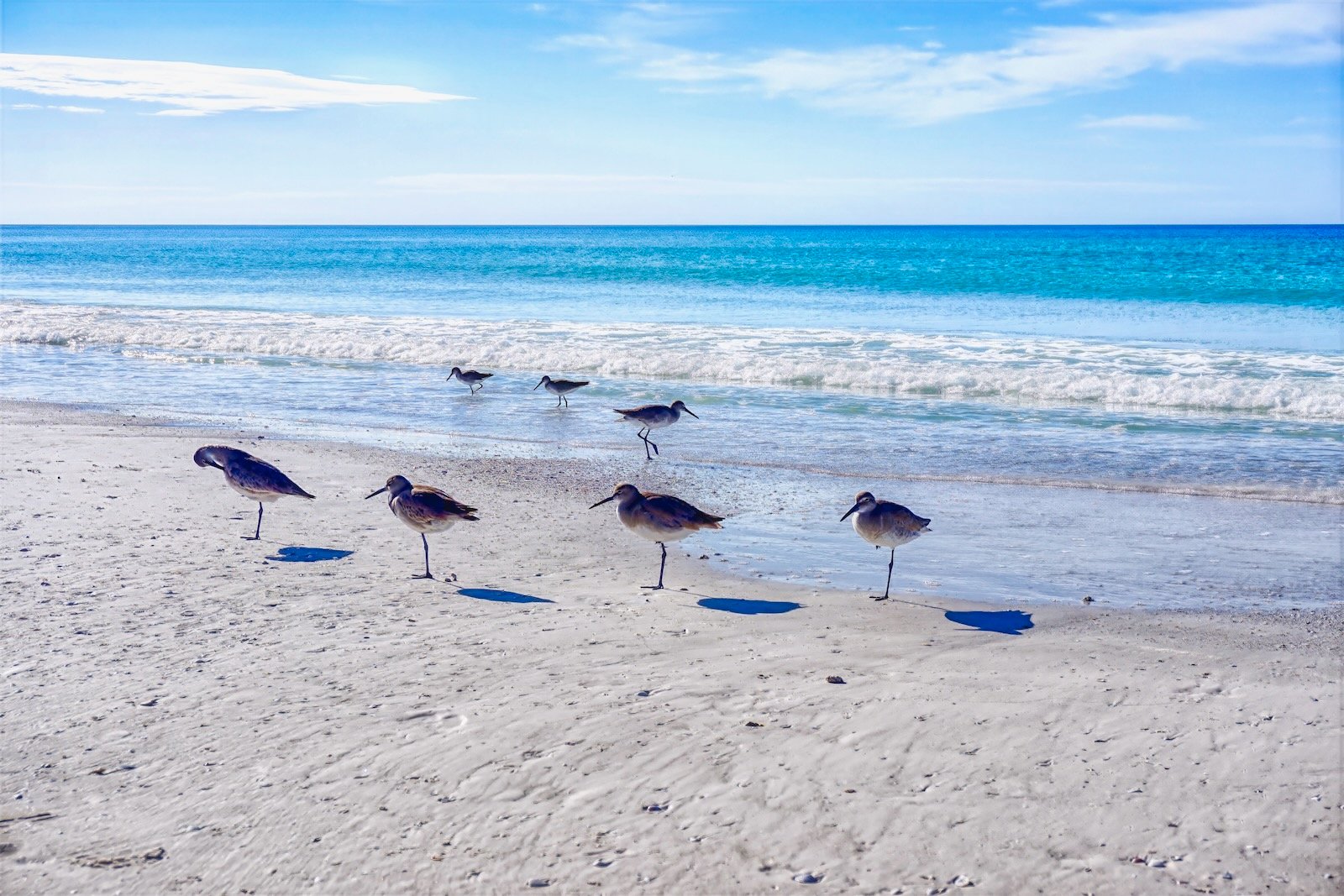
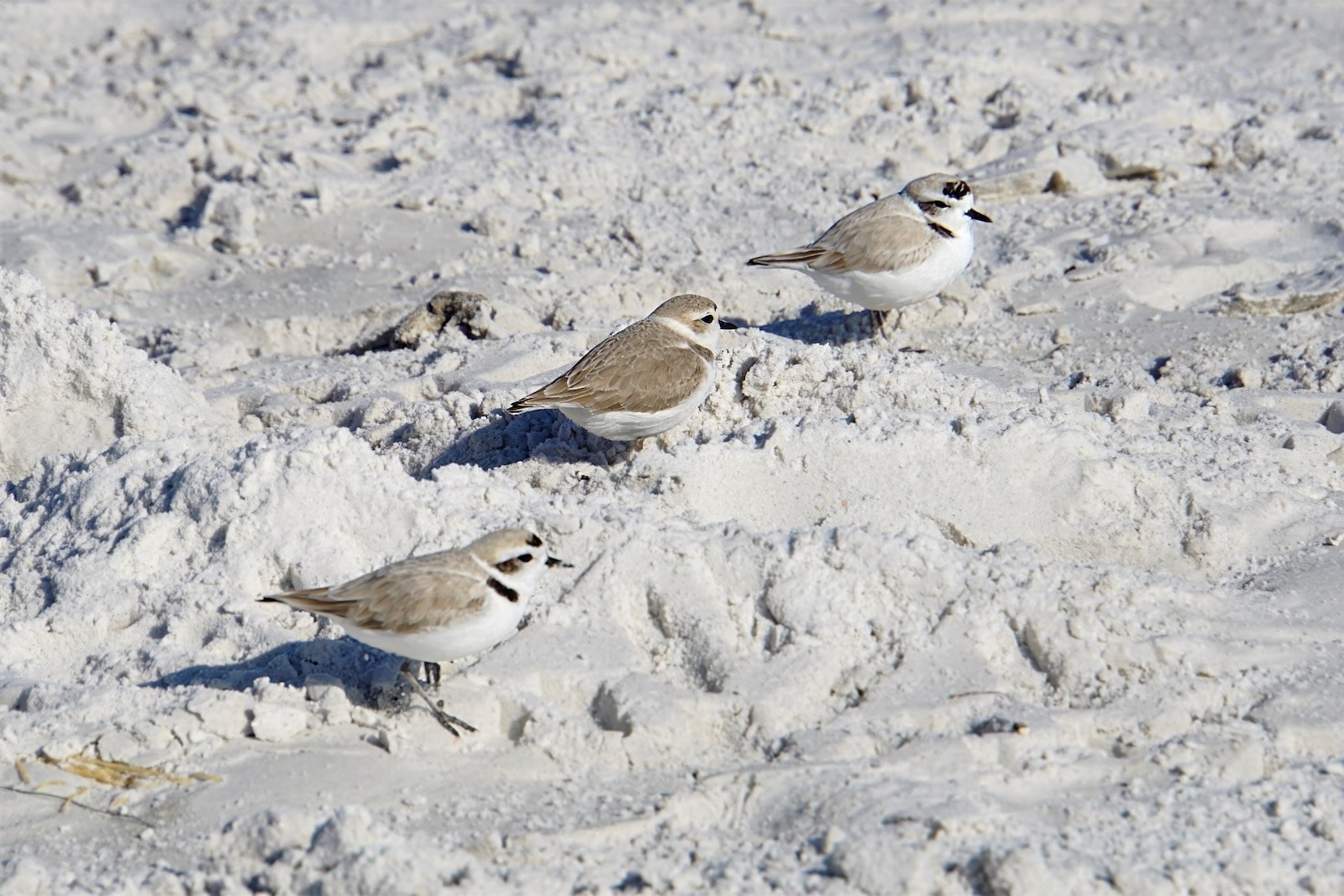
•Sandpipers and Plovers are smaller, busier, and endlessly entertaining. They run along the tide line in quick bursts, darting in and out with the waves as if playing a game of tag with the water. These little birds are specialists at finding food in the sand, moving almost in unison with each receding wave.
Did You Know?
A black skimmer’s lower beak is longer than its upper beak, perfectly designed for “skimming” food off the Gulf’s surface.
Why Chasing or Feeding Birds is Harmful
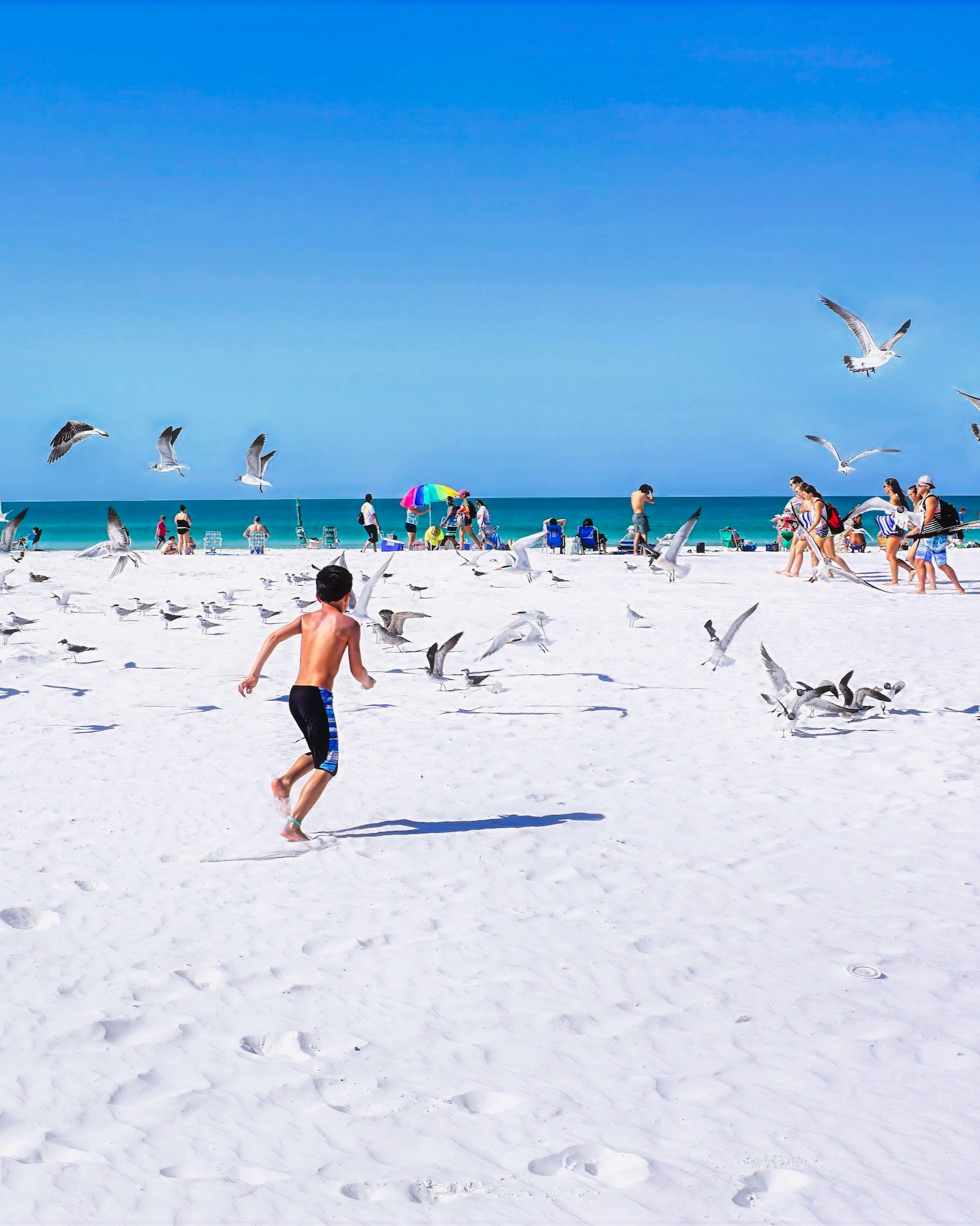
I get it—there’s something funny about watching a flock of terns scatter into the air when a kid runs toward them. But here’s the thing: every time those birds take off, they’re burning energy they need for nesting and survival. Do it enough, and they may abandon their spot altogether. I’ve even seen terns get fed up (literally) and turn on the person harassing them.
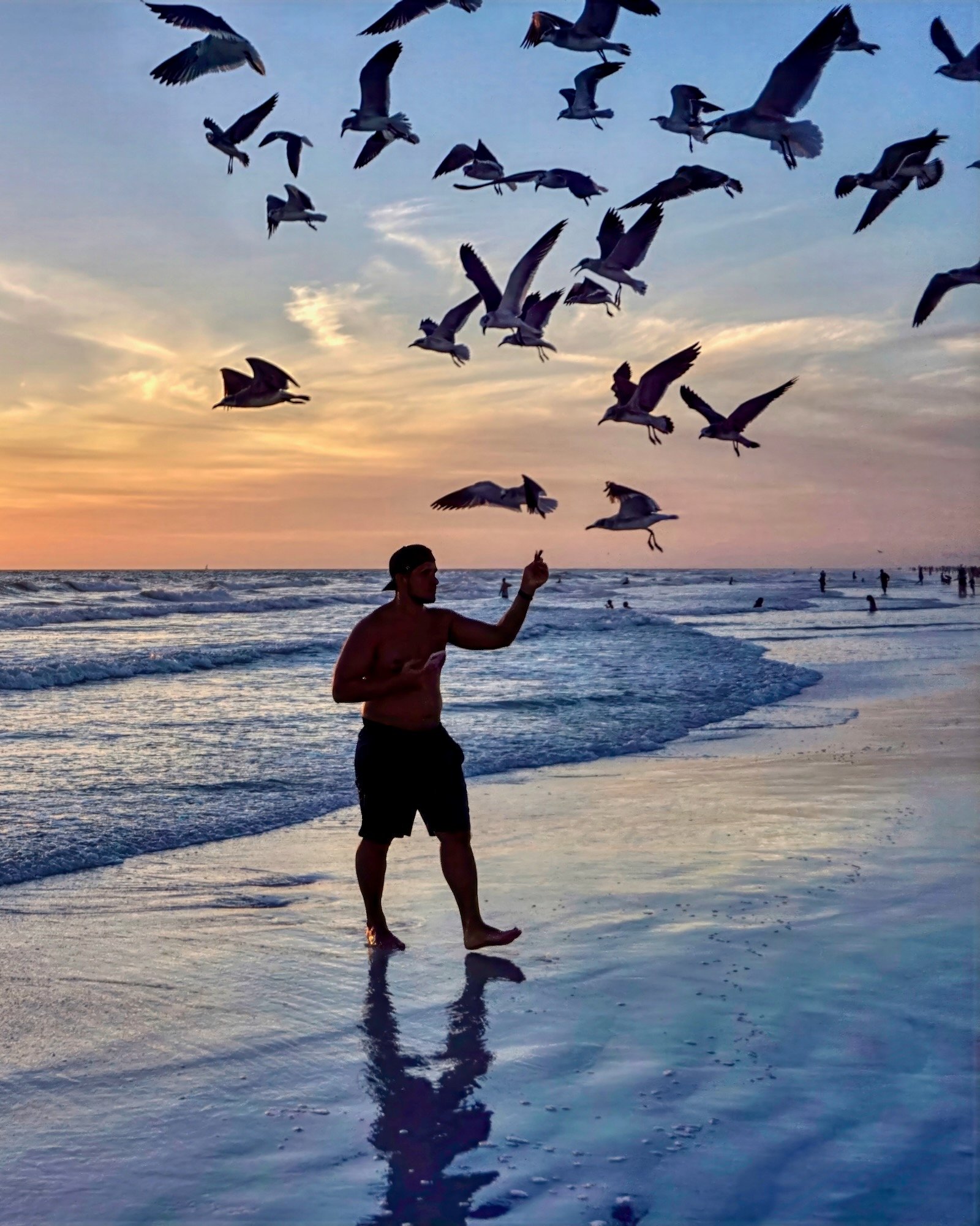
Feeding them isn’t any better. Toss a few crumbs and suddenly you’re the star of a Hitchcock movie. Human food doesn’t just attract chaos—it makes birds dependent, spreads sickness, and leaves you dodging droppings. Trust me, that’s not the memory you want to take home from the beach.
Did You Know?
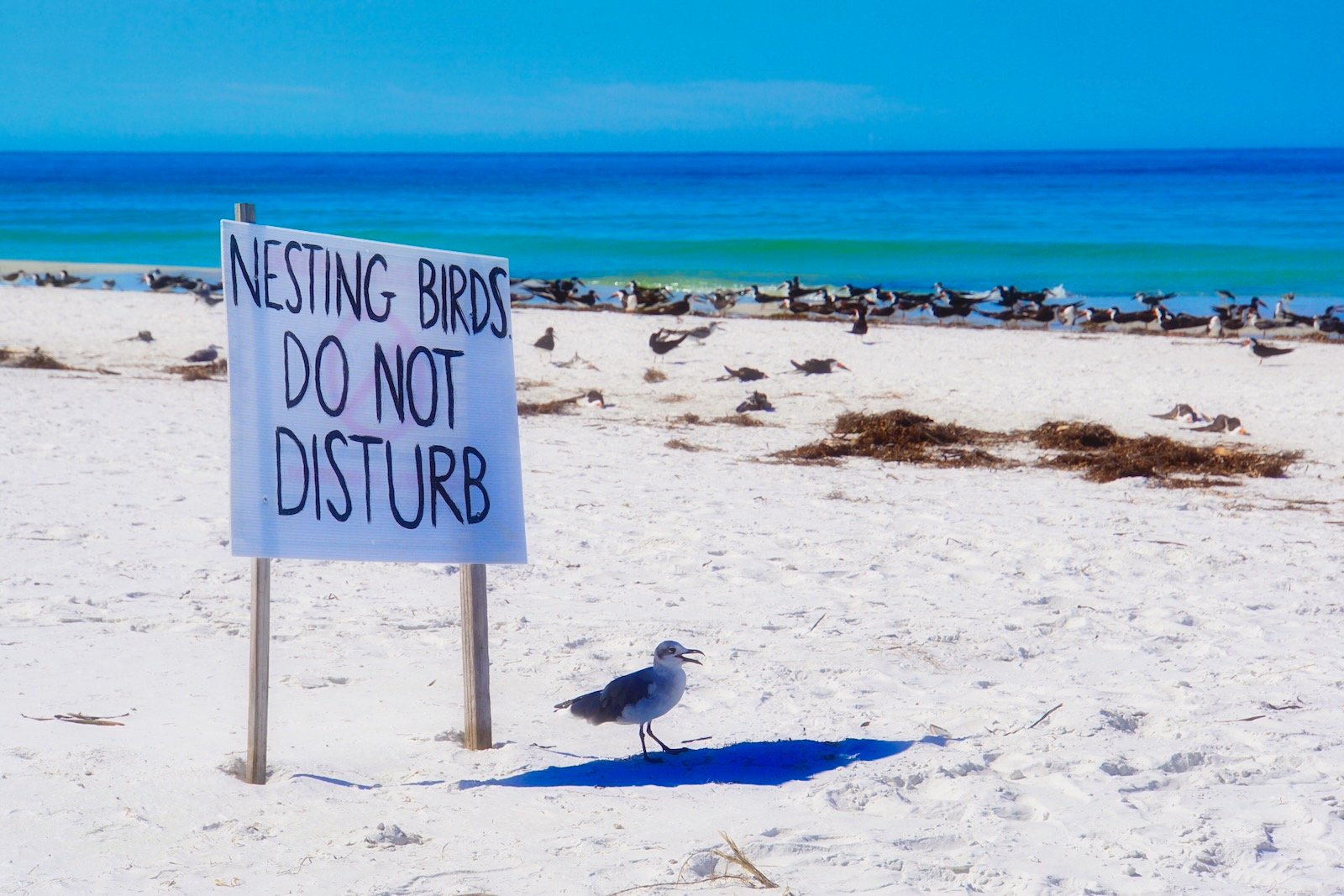
When shorebirds are disturbed too often, they can abandon their nests entirely, leaving chicks and eggs vulnerable.
Personal Memories from Sarasota Beaches
One evening at Lido Beach, I almost stepped on what looked like moving pebbles—until I realized they were baby sea turtles hustling their way to the Gulf. Dozens of them scattered around my feet, and I had to shuffle carefully to get out of their way. I even helped a couple that had gotten stuck in footprints. Watching them reach the surf was pure magic.
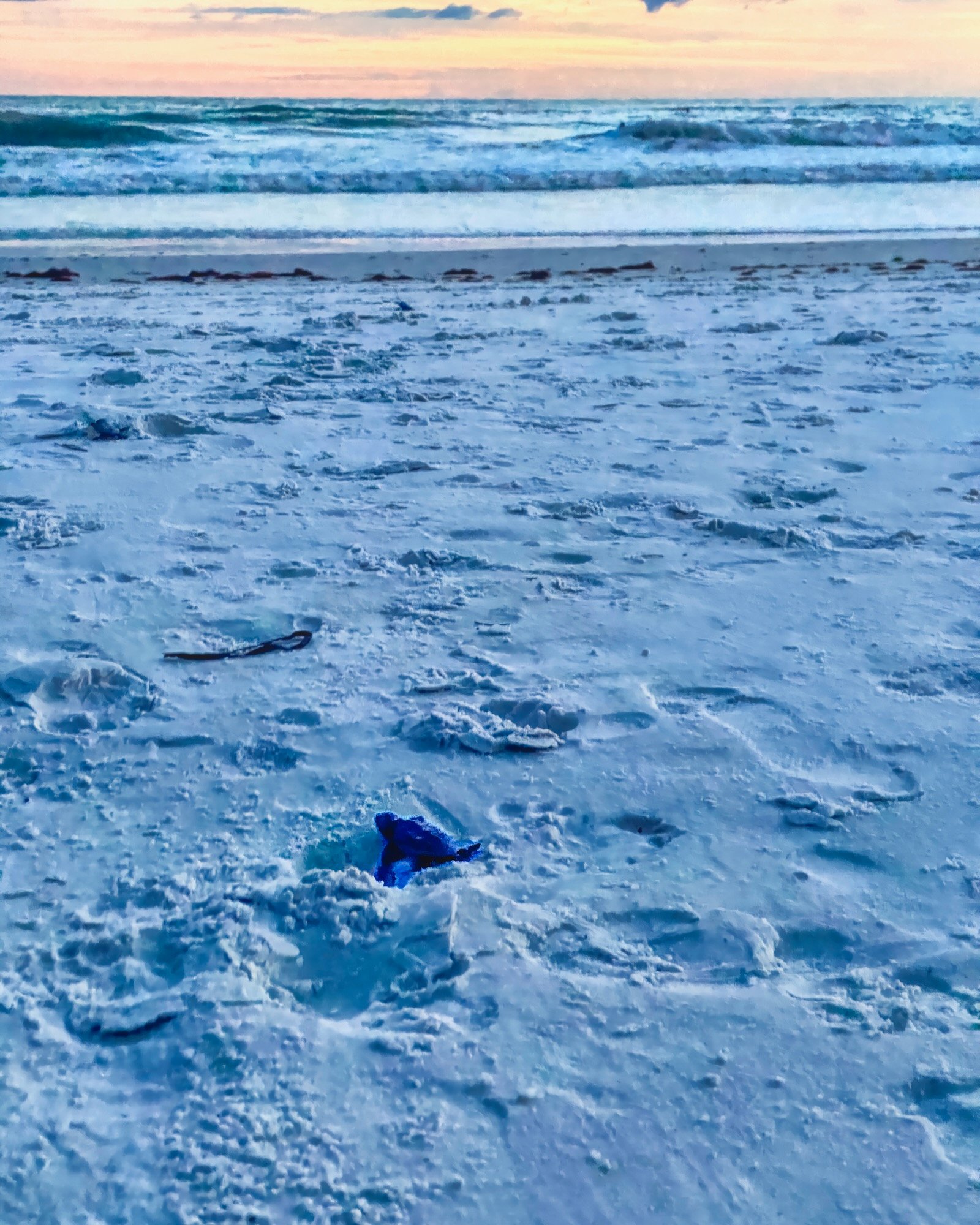
Then there was the time at Siesta Beach when a boy kept chasing a flock of terns. They finally had enough—about thirty of them wheeled around and gave him a lesson he won’t forget. A few scratches later, he was sprinting back to mom and dad.
And of course, the lady who thought it’d be cute to feed gulls from her hand. At first, nothing happened. Then, out of nowhere, she got blitzed with bird droppings. It was one of those “don’t laugh but you can’t help it” moments. Those experiences stick with you—and they all point to the same truth: give wildlife the space it needs.
Did You Know?
Hatchling sea turtles face odds of just 1 in 1,000 surviving to adulthood—every safe step to the Gulf matters.
Wrack: Nature’s Messy Gift
You know that dark, tangled line of seaweed and shells that washes up along the beach? Most people wrinkle their noses at it, but that “mess” is called wrack, and it’s one of the best things that can happen to shorebirds. It’s crawling with tiny critters—basically an all-you-can-eat buffet for sandpipers, plovers, and other hungry beachgoers.
It’s more than food, too. Wrack traps sand, helps stop erosion, and gives cover to baby turtles trying to avoid predators. When it gets cleaned up just for looks, the birds and turtles lose a key resource. So the next time you see that line of seaweed, think of it as nature’s version of room service—it’s there for a reason.
Did You Know?
That “ugly” wrack line of seaweed holds tiny organisms that feed birds, fish, and crabs—it’s the beach’s buffet line for wildlife.
How You Can Help Share the Shore Protect Sea Turtles Shorebirds
Here’s the thing: protecting Sarasota’s beaches isn’t complicated. It’s not about memorizing a field guide or carrying binoculars everywhere you go. It’s about being a thoughtful beachgoer — the kind of person who leaves the shoreline better than they found it.
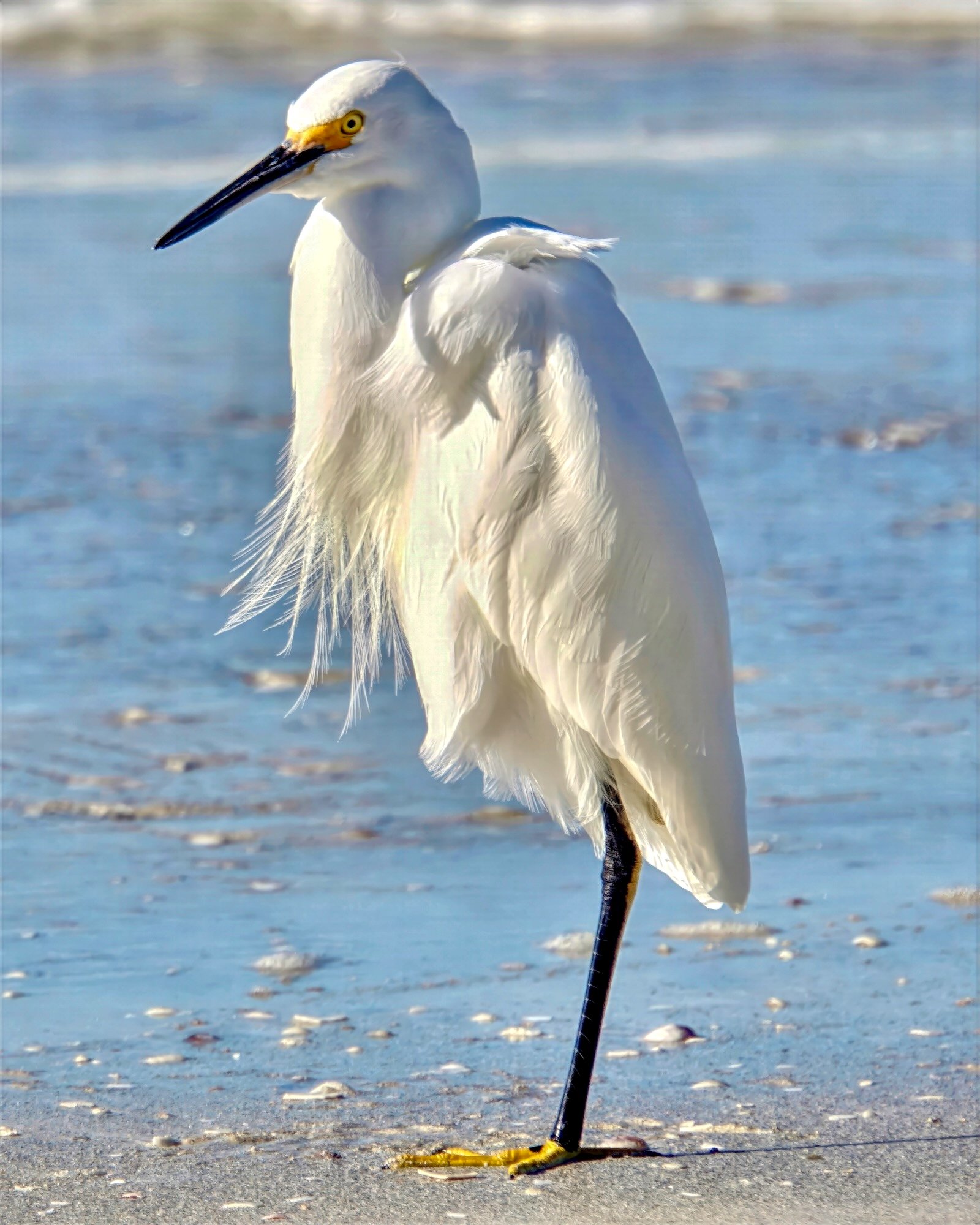
A few simple habits make all the difference:
•Respect posted nesting areas. Those roped-off sections aren’t suggestions. They’re nurseries for sea turtles and shorebirds.
•Walk around resting flocks. It takes you five extra steps but saves the birds from wasting their energy flying off.
•Skip the snacks-for-birds routine. French fries and bread crumbs don’t belong in a tern’s diet (and the chaos it creates isn’t fun for anyone).
•Fill in your (kids’) beach holes. That giant sandcastle moat? It looks harmless, but hatchlings can get trapped in it on their way to the water.
•Leave wrack where it is. That line of seaweed is a buffet for birds and a shield for hatchlings.
It’s not about being perfect. It’s about being mindful. The beaches stay beautiful, the wildlife stays safe, and we all get to enjoy the magic of Sarasota’s shoreline together.
Did You Know?
Filling in holes on the beach isn’t just tidy—it prevents hatchling turtles from getting trapped on their way to the ocean.
Keep Sarasota’s Beaches Wild and Wonderful
Most people who step onto our beaches want to do the right thing. They carry their trash out, they teach their kids to admire wildlife instead of chasing it, and they leave the sand just as they found it. It’s only a handful who let their dogs run where they shouldn’t, toss cigarette butts into the dunes, or flick bottle caps where hatchlings crawl.
For years, our annual Lido Beach Clean-Up grew in volunteers. More volunteers; more trash on Lido, especially bottle caps & cigarette butts.
With a big thanks to the volunteers (many, many friends of Sarasota Lifestyle) and Daiquiri Deck (St Armands’ store manager), our efforts to keep Lido Beach clean made a difference as we spent a little time together at the afterparty, sipping frozen daiquiris and munching on finger foods.
That’s why your choices matter. Every time you walk around a flock instead of through it, or fill in a sand hole before leaving, you’re making Sarasota’s shoreline safer for wildlife and more enjoyable for everyone else who comes after you.
👉 Ready to put that care into action? Check out the Sarasota Lifestyle events calendar for beach cleanups, turtle walks, and community gatherings that let you be part of the solution.
👉 Want to see these habitats up close? Explore Turtle Beach on Siesta Key
or spend a day at Lido Beach— two places where sea turtles and shorebirds remind us why these efforts matter.
Sarasota’s beaches are wild, beautiful, and alive. With just a little care, we can keep them that way — a place where people and wildlife thrive side by side.
Love This Post? Share It!

Hi, I’m Mike – real estate agent, photographer, and blogger. Come along as I dive into all things Sarasota, Florida, share insider tips and exciting stories that make this place special. For 20+ years, I’ve helped countless people buy and sell property. Before I transitioned to full-time real estate, I taught high school English & coached basketball.”










One response to “Share the Shore: Protect Sea Turtles and Shorebirds in Sarasota”
[…] Share the Shore: Protect Sea Turtles and Shorebirds in Sarasota […]